Spain
Revolutionary struggle
At last we reached the old dream of "land to farm" for the first time in 5,000 years of history in Andalusia, which gave unemployed labourers, for the first time, access to the means of production, the land. It was revolutionary leap of major importance since it touched the key capitalist system of production that allowed the poor to be enslaved.
- We ended the strike. We no longer needed landlords to eat every day.
- We ended migration since no one had to leave his own people to find a job in the city.
- We ended exploitation - the goodwill generated by the workers was again reinvested and distributed for the collective welfare of the workers themselves.
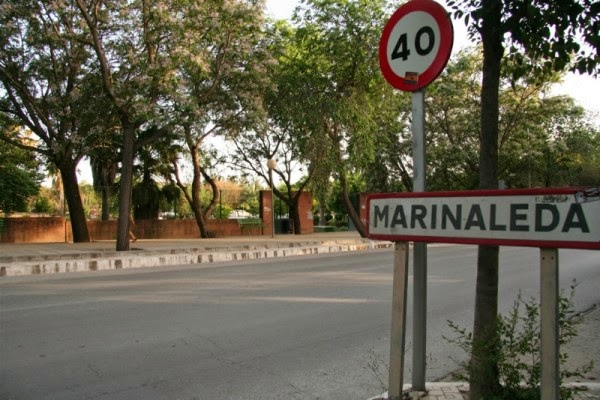
The mayor of Marinaleda has spent decades fighting the system to create the ‘utopian’ village, near Seville...
The Mayor's Story
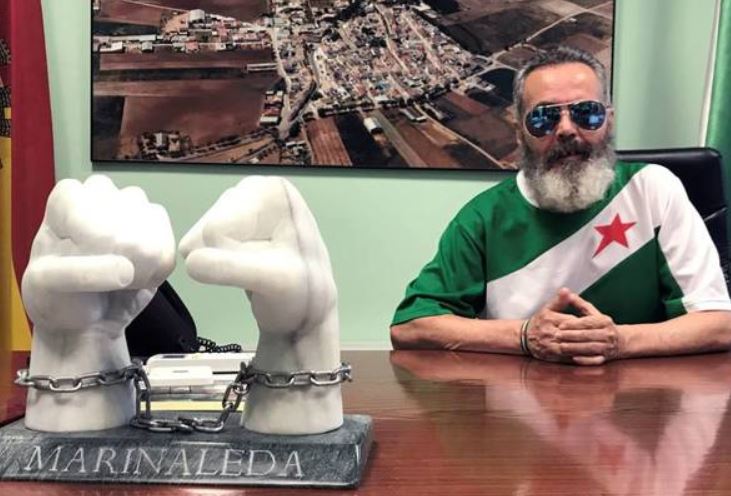
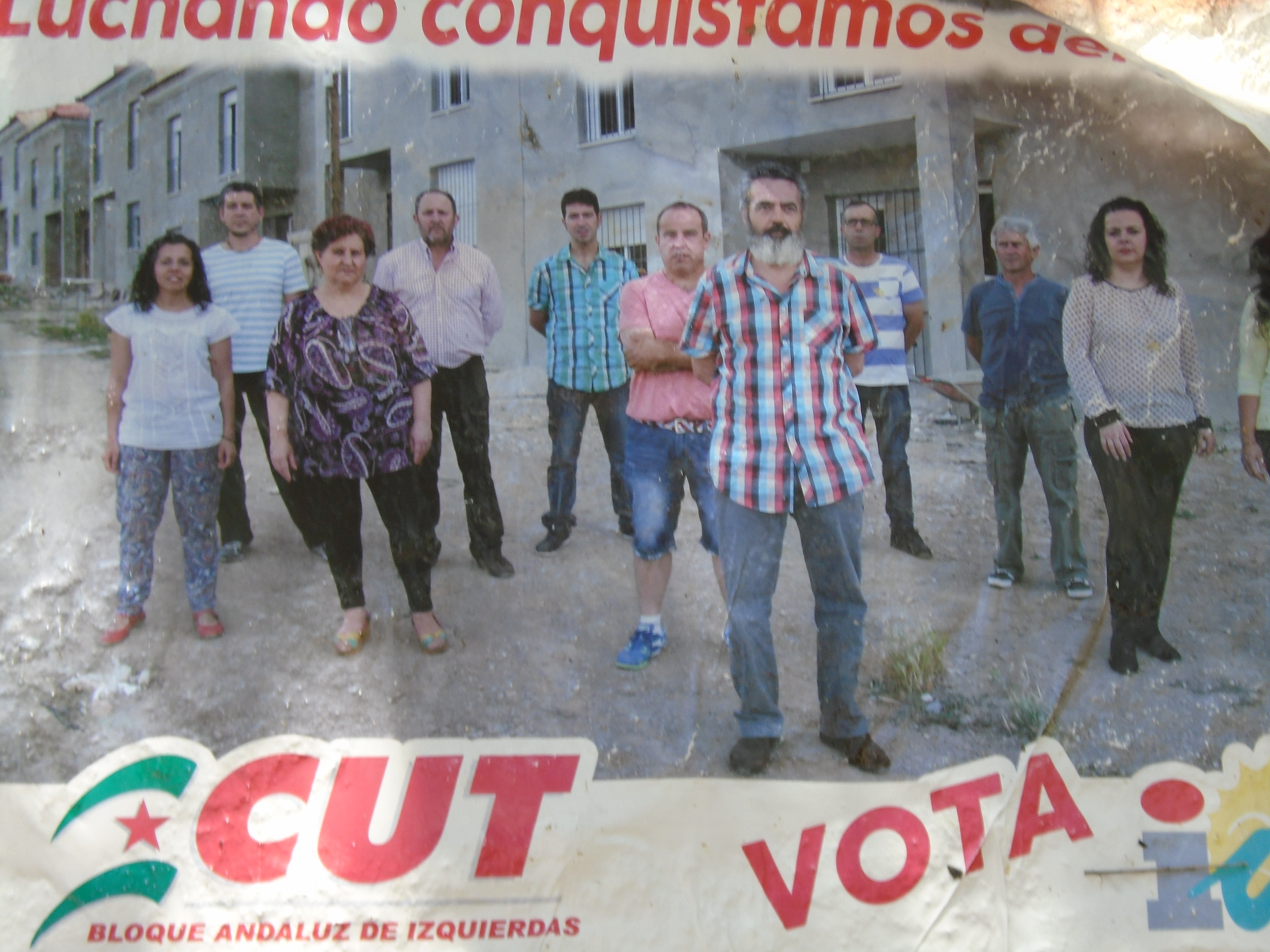
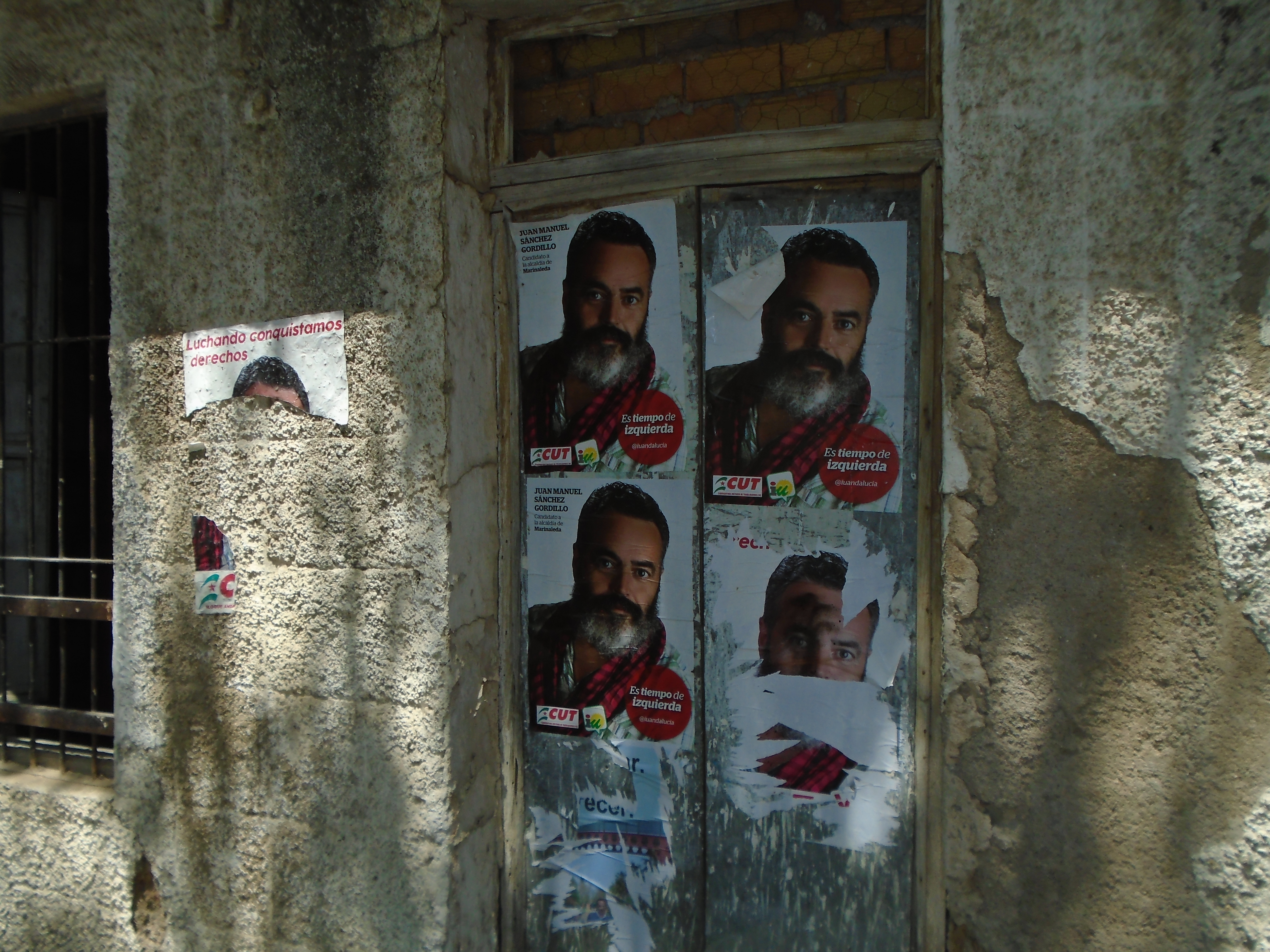
Juan Manuel Sánchez Gordillo has been mayor of Marinelada for almost 40 years. “Capitalism is like King Midas, everything it touches turns to gold, commodity, trade and death. I think the capitalist system is necrophilous.” he says.
As unemployment stands at 22.9 per cent in Andalusia, there is full employment in Marinelada.
Every civilian is offered a job with the same salary and a house with a mortgage of just €15 (£13.50) a month, while the total cost is deducted if the occupant helps towards building and upkeep.
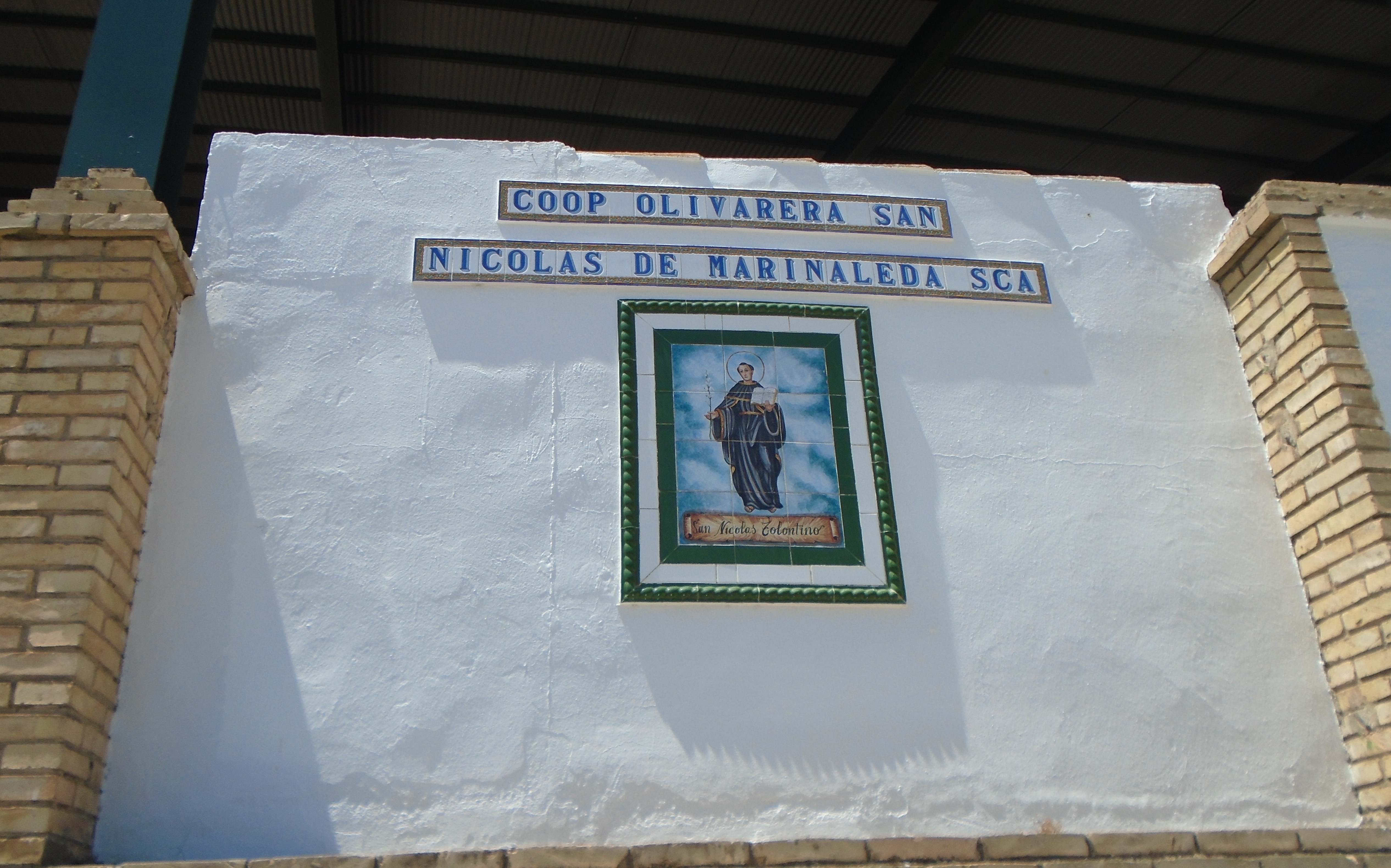
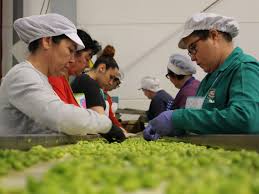
The town’s success lies in a cooperative where villagers work in the fields or factory.
Large companies and chains are not permitted. Police and churches too. "We do not punish anyone. Education is better than repression." "The more vegetables we cultivate, the more work we create," says Sánchez Gordillo. "The money from sales is reinvested into the town to improve the community. It is never for anyone’s personal profit. The land is for anyone who wants it."
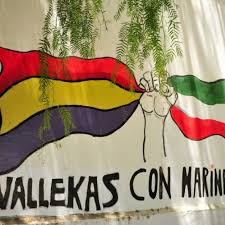
Marinaleda’s journey to utopia began after years of deep repression under General Franco’s harsh fascist regime, when Sánchez Gordillo saw “hunger reach the stomachs of many labourer families” with an unemployment rate of 80 per cent.
Four decades later, El Sindicato de Obreros del Campo (The Union of Farm Workers) was born, leading to the first democratic elections held in Spain – in 1979 – since the collapse of the Republican government. The workers’ collective CUT (Colectivo de Unidad de los Trabajadores) gained an absolute majority in Marinaleda and at the age of 30, Sánchez Gordillo was elected mayor – a position he has upheld ever since.
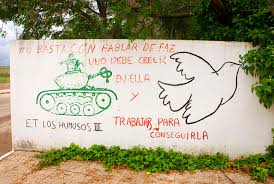
Occupations took place that would last a few years and confrontations happened with judges, Police, Government and especially with the incomprehension of many workers from other towns - who thought we were crazy, and that it was an unattainable dream. They believed that our struggles were doomed to failure.
In one of the occupations back in '85 the government decided to ignore a group of 90 women who went to Sevilla to see the president of the regional government and President Rodriguez of the Borbolla. Upon reaching Sevilla they sat outside the front door of the Palace until night. They were taken in vans to the police stations of Triana and Torreblanca. When they arrived at 4 in the morning they made a statement.
"No joy is possible when others know despair and sadness ... A future of state handouts will increase bitterness. For this reason and after taking 35 days demanding land, water, labor and the right to life and demands still unanswered, we decided to suspend the holidays until social conditions and prospects for a decent future can be translated into something more concrete. Sorry to those who feel injured, we hope you understand ... we are fighting for a better life and collective joy."
The arrests continued for 9 consecutive days in an attempt to break the strength of the struggle. But on the contrary each passing day, women gained in strength and finished singing the hymn of Andalusia when passing through the streets in police vans to the police station as people stared in surprise. It became more difficult for the authorities to break up the struggle.
In '86 we went to Madrid. Many were in jail and there were many trials. That struggle for freedom found great support in the people of Madrid who provided shelter, food and affection with such generosity that since then has never been forgotten, because it gave us the strength to endure the daily demonstrations and oppression from the Ministry of Justice. The fight was long and difficult but we did not abandon Madrid until they guaranteed us the freedom we had gone to demand.
The arrests continued for 9 consecutive days in an attempt to break the strength of the struggle. But on the contrary each passing day, women gained in strength and finished singing the hymn of Andalusia when passing through the streets in police vans to the police station as people stared in surprise. It became more difficult for the authorities to break up the struggle.
In '88 occupations that had been happening year after year and day after day concluded with an occupancy of significant strength. We wanted it to end the chronic deafness of the government. So we set up camp in the area adjoining the farmhouse, rented tractors and began ploughing, with the idea of not leaving. We were there for 90 days and 90 nights doing the same every week while parallel actions happened in Seville with the idea of not giving the government quiet for a minute. Every night we held an assembly in which we reflected how the struggles had gone, what we had achieved, what successes we had, what mistakes were made, and how could we keep the courage to keep fighting and intensify the struggles of the next few days.
Long struggles resulted in some becoming discouraged. Some began to lack belief in what we were doing because they thought we could not get any response from the government and believed it was a losing battle. But as the government was reaching the limit of its patience it had to choose between harsh repression or listening to our demands. To increase the pressure we went back to Seville where we did all kinds of actions that forced negotiations with the Minister of Agriculture leading to negotiations for us to hold the land.
'92 was approaching preparations were happening for the Expo, by both central and regional government. We thought that was the Achilles heel - in '91, we occuppied their offices and cut the Avda. De las Palmeras in both directions. The police acted with unusual forcefulness, we were repeatedly beaten and treated with utter contempt. However a few months later we were subpoenaed by the new Minister of Agriculture Mr. Marin, who pledged to grant the 1,200 hectares that we were demanding.
“After all this, we know there is nothing you can’t achieve. Even your wildest dream can become a reality,” says Sánchez Gordillo
Residents talk of how neighbours regularly pop over with freshly baked bread and recounts stories of the town’s festivals, where even the mayor waits on tables.
“The work here is fairer than in other places in Spain,” says a 24-year-old from Marinelada
“Life is relaxing here, you live well, you’re paid well and above all, things are cheap. The workers are really looked after here.”
The mayor is voted in with an overwhelming majority every year. It is clear the town’s folk greatly respect the mayor, who was allegedly the subject of multiple assassination attempts by the Guardia Civil for his political protests.
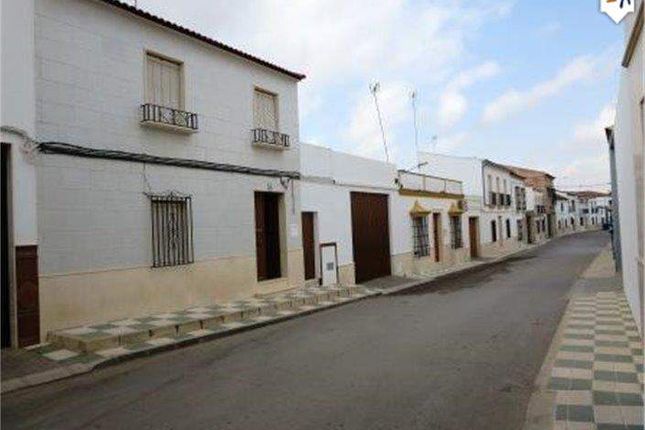
A history teacher until four years ago, Sánchez Gordillo lives on a modest street of small terraced houses. It is well known he has never taken a mayor’s salary and earns the same as everyone else.
“I don’t think anyone is more important than others,” he says
During the throws of the recession, the revolutionary made international headlines after leading his union to raid supermarkets to provide food for the hungry. Many called him a “Robin Hood”, others a robbing troublemaker.
“The true thief is capitalism,” he insists. “It is a thief of human rights.
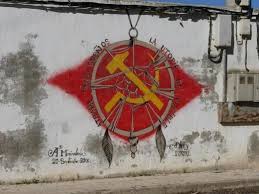
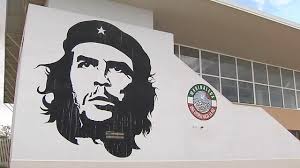
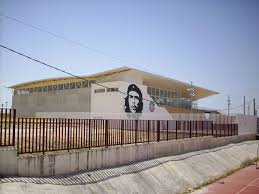
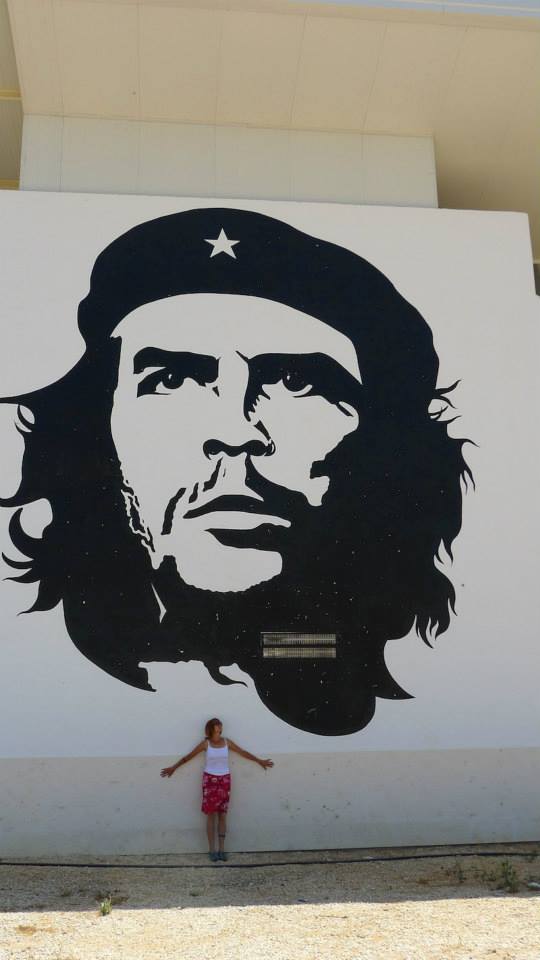
Although Marinaleda is dubbed communist, the mayor describes it as a melting pot of ideologies – socialism, communism and humanism. He draws inspiration from the likes of Gandhi, Lenin, Marx and, of course, Che Guevara.
“The global system right now is just a new type of fascism,” he adds, while admitting that his “utopian” model is difficult to achieve as many don’t like sharing their wealth or possessions. If we continue to be ruled by money and by the selfishness and criminality of the global market, we will be on our way to the Third World War.