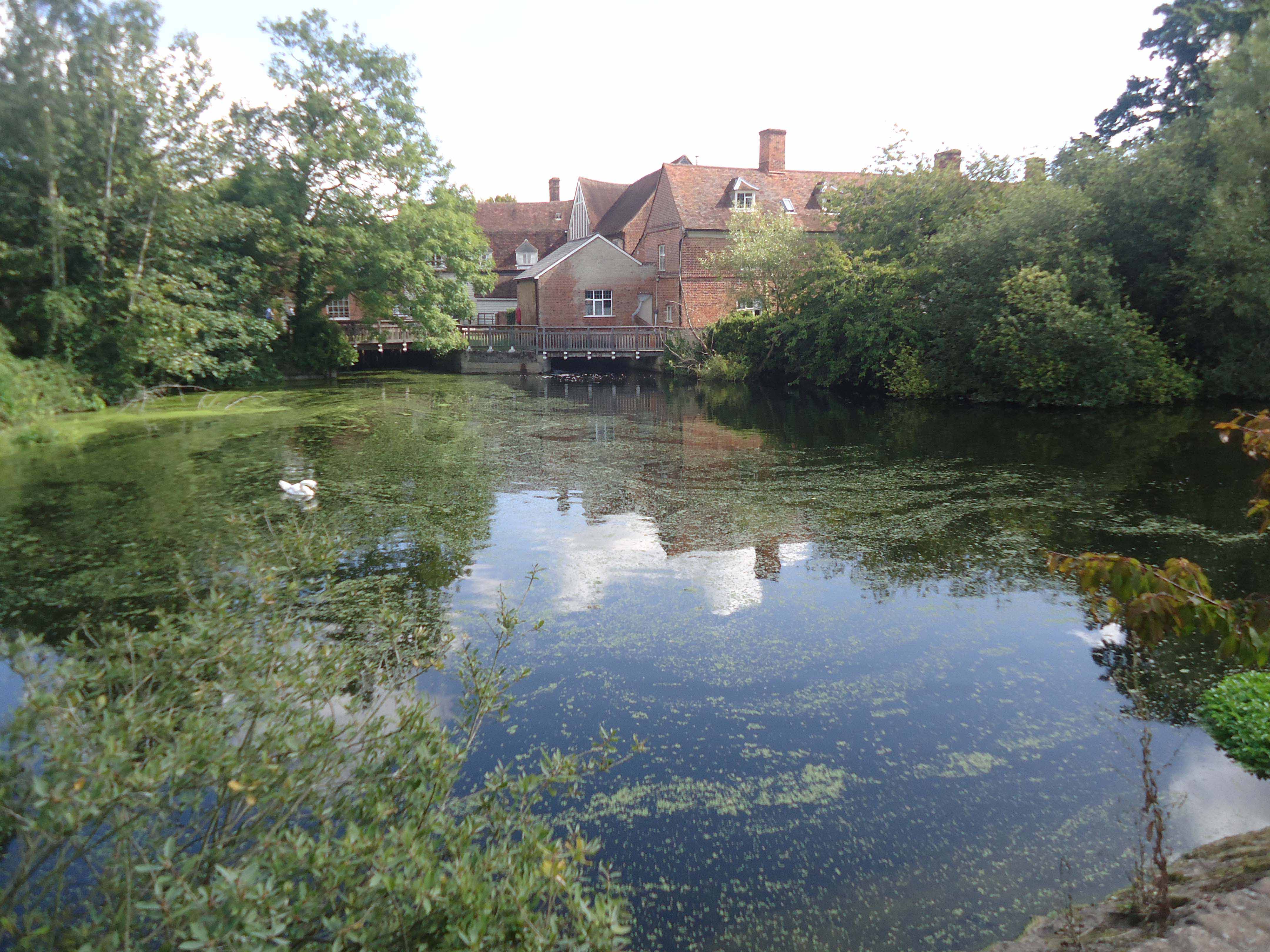
East Bergholt, England
Community
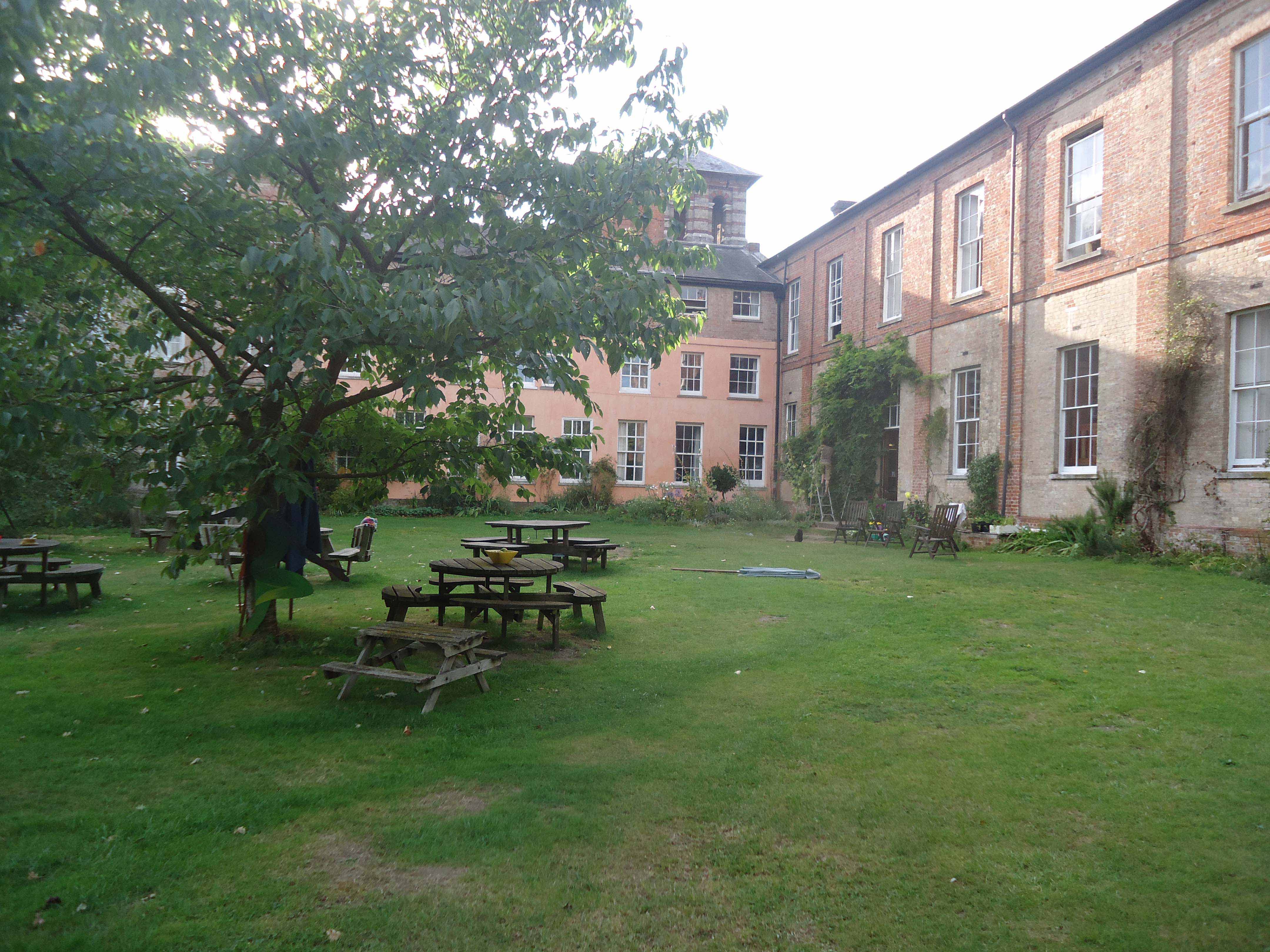
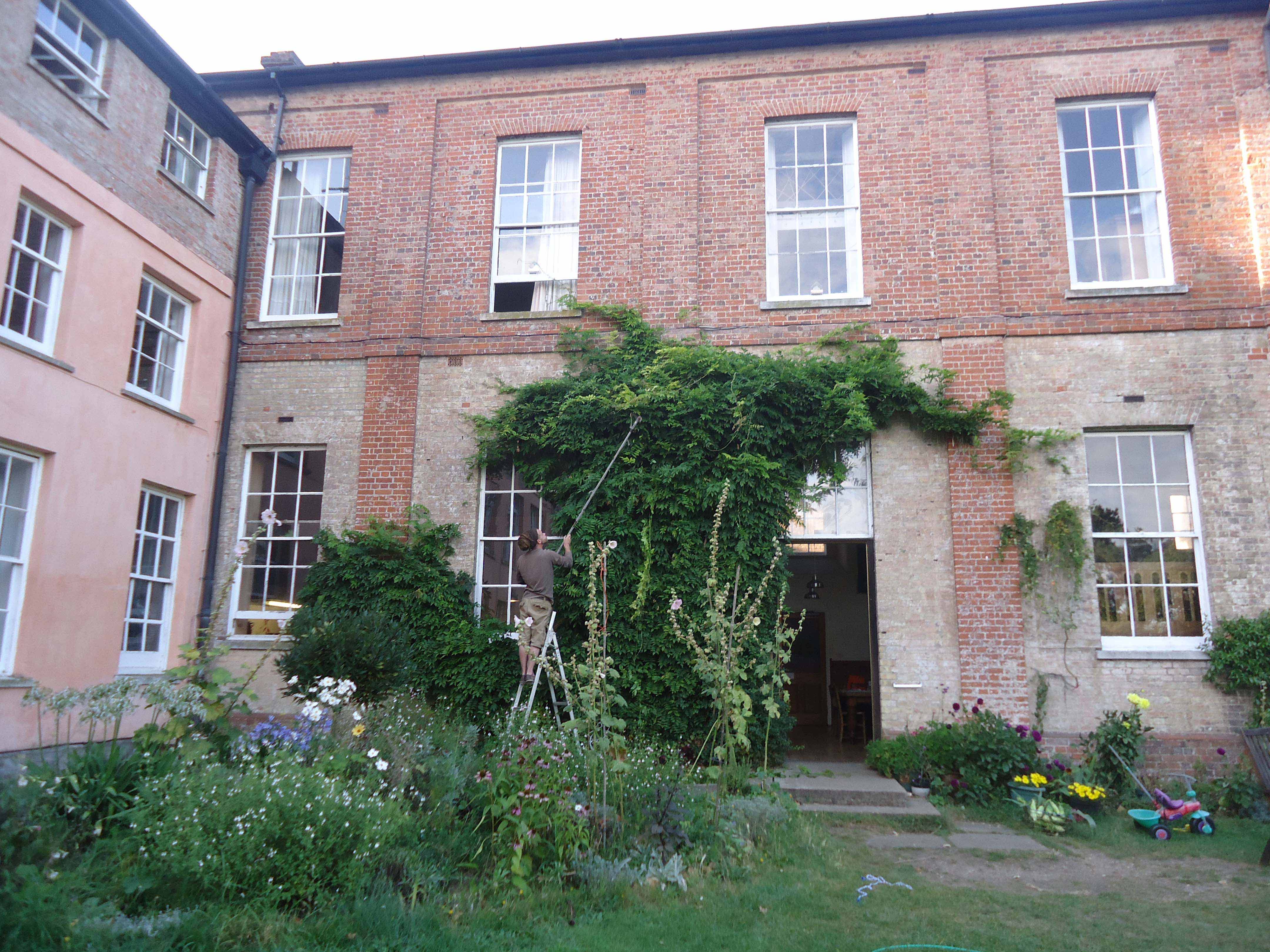
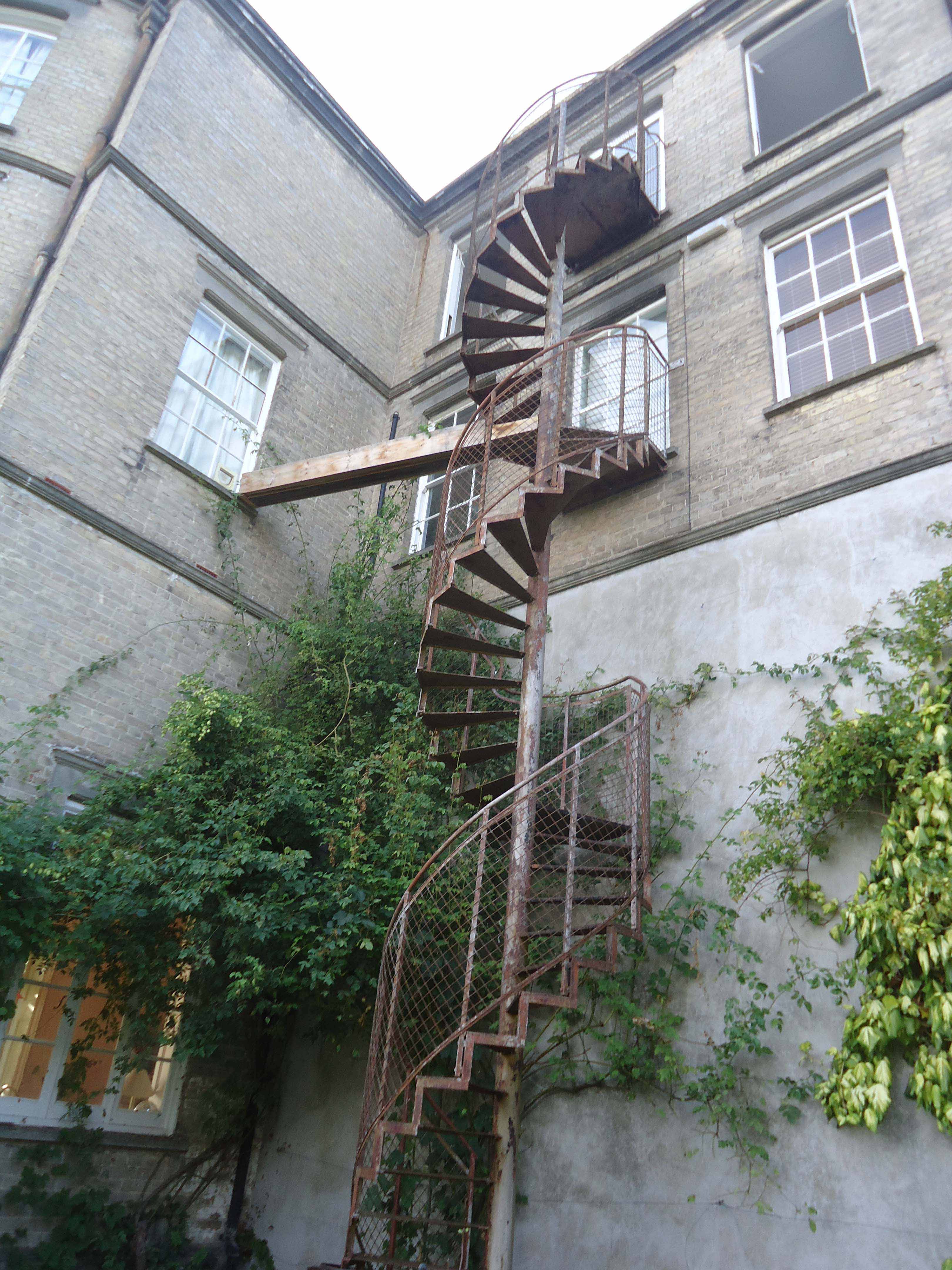
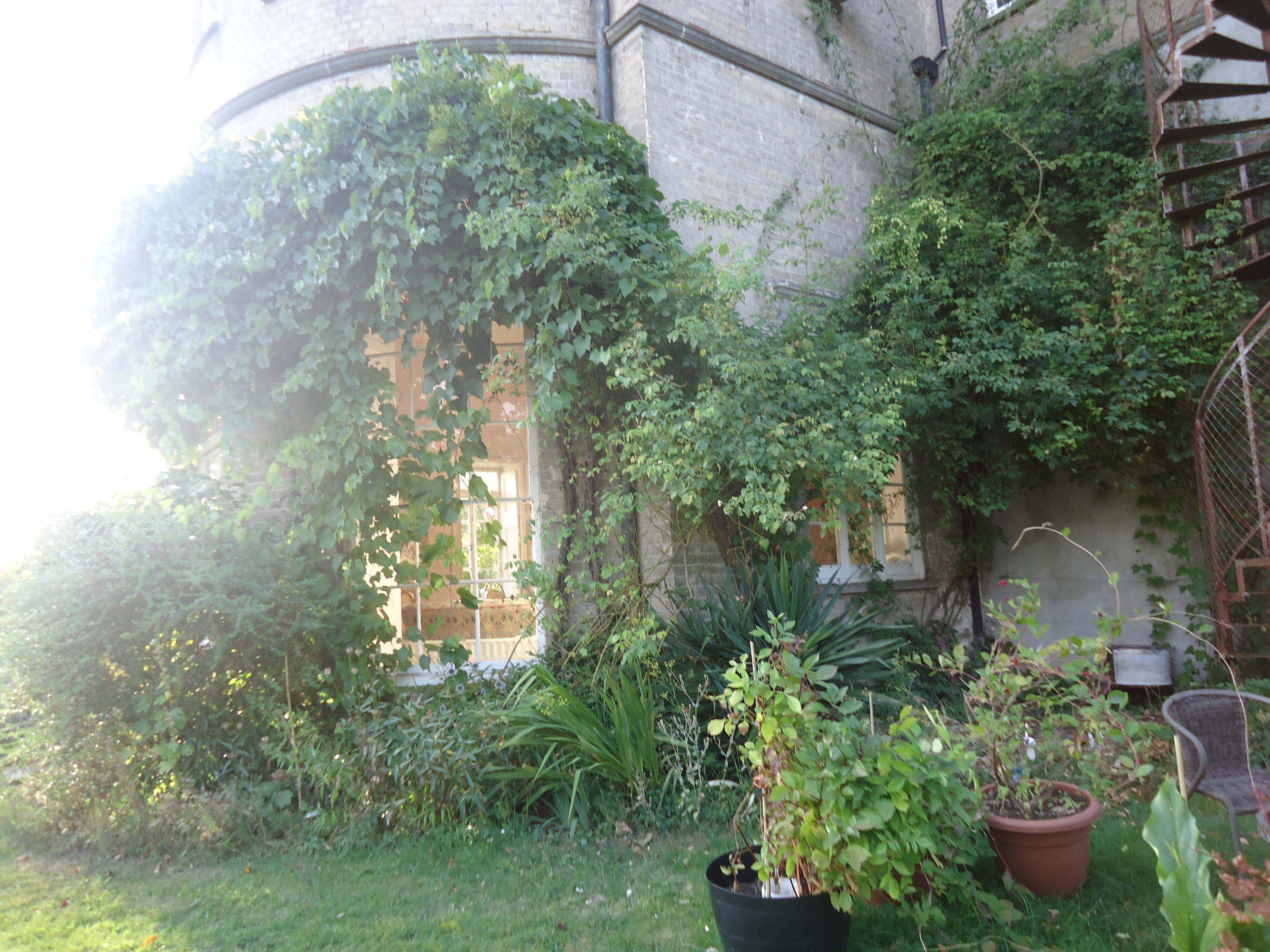
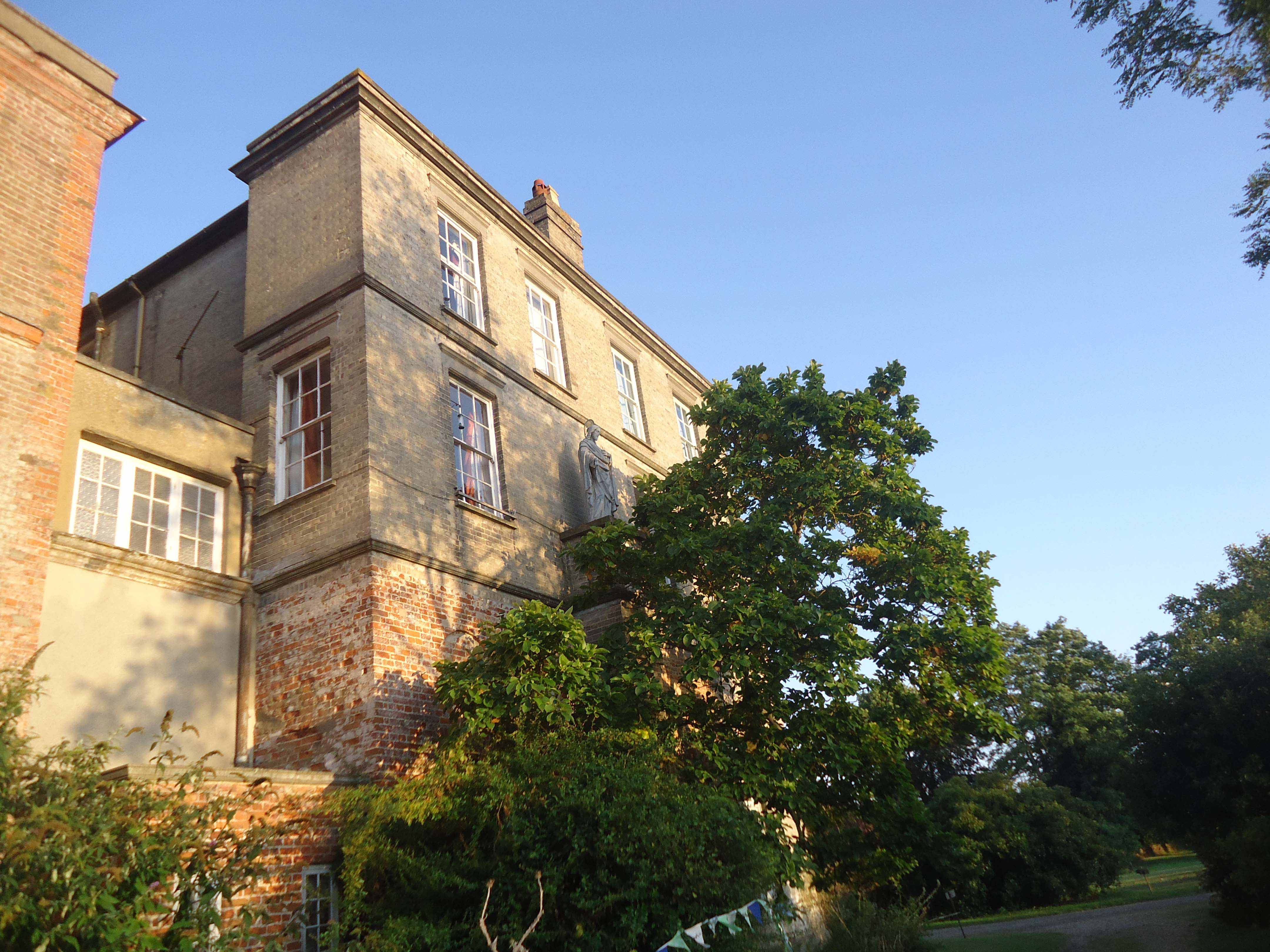
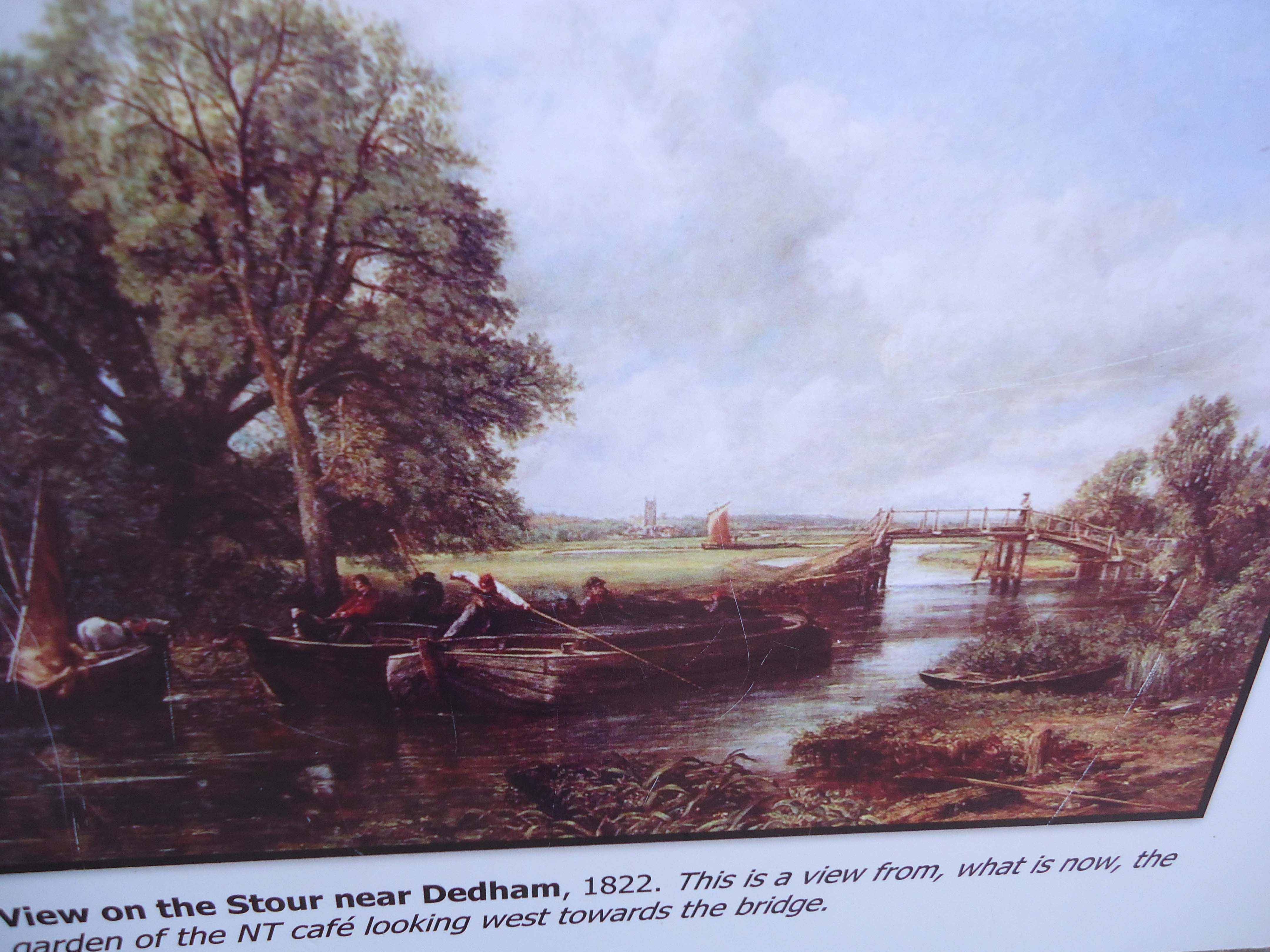
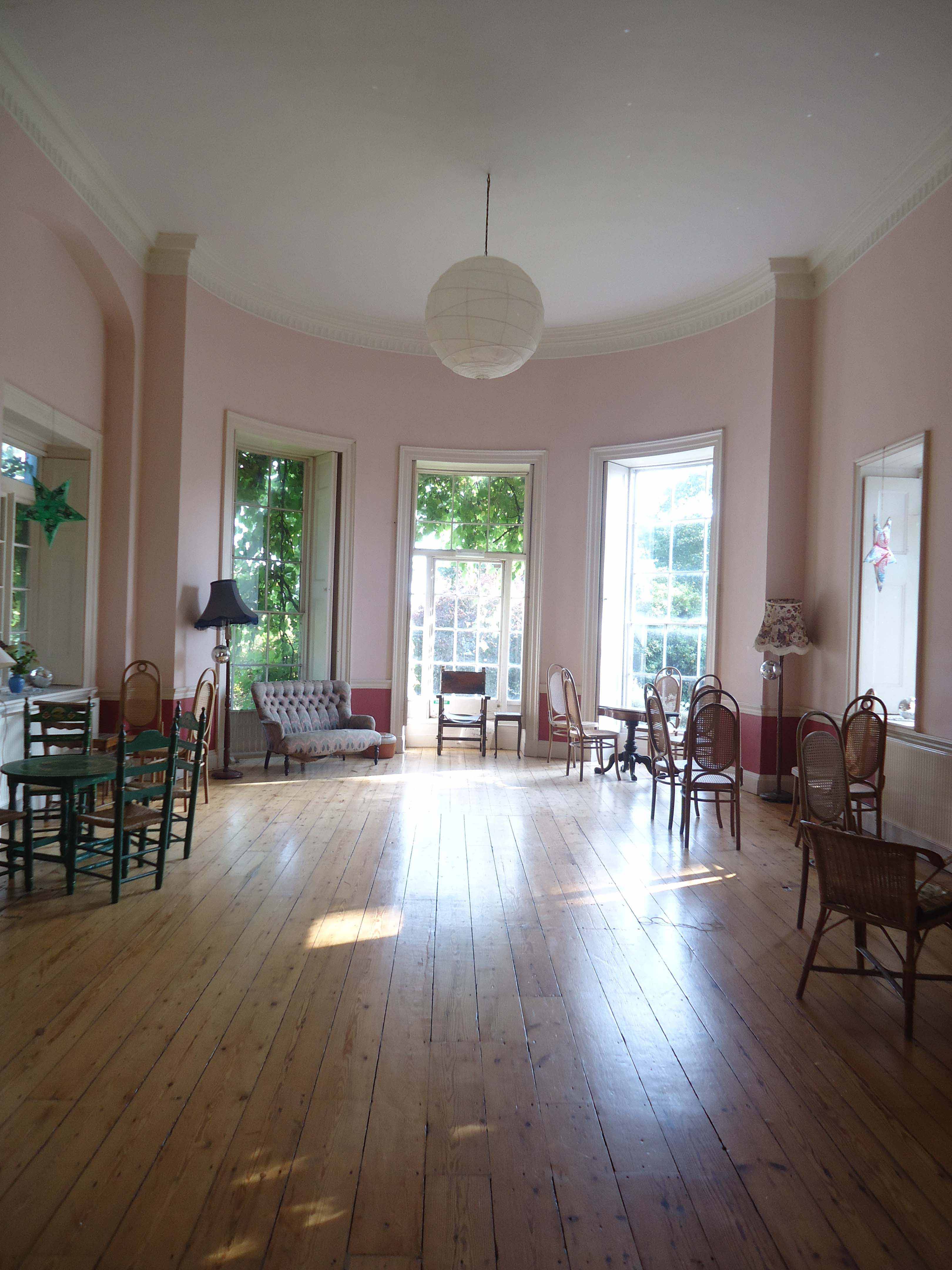
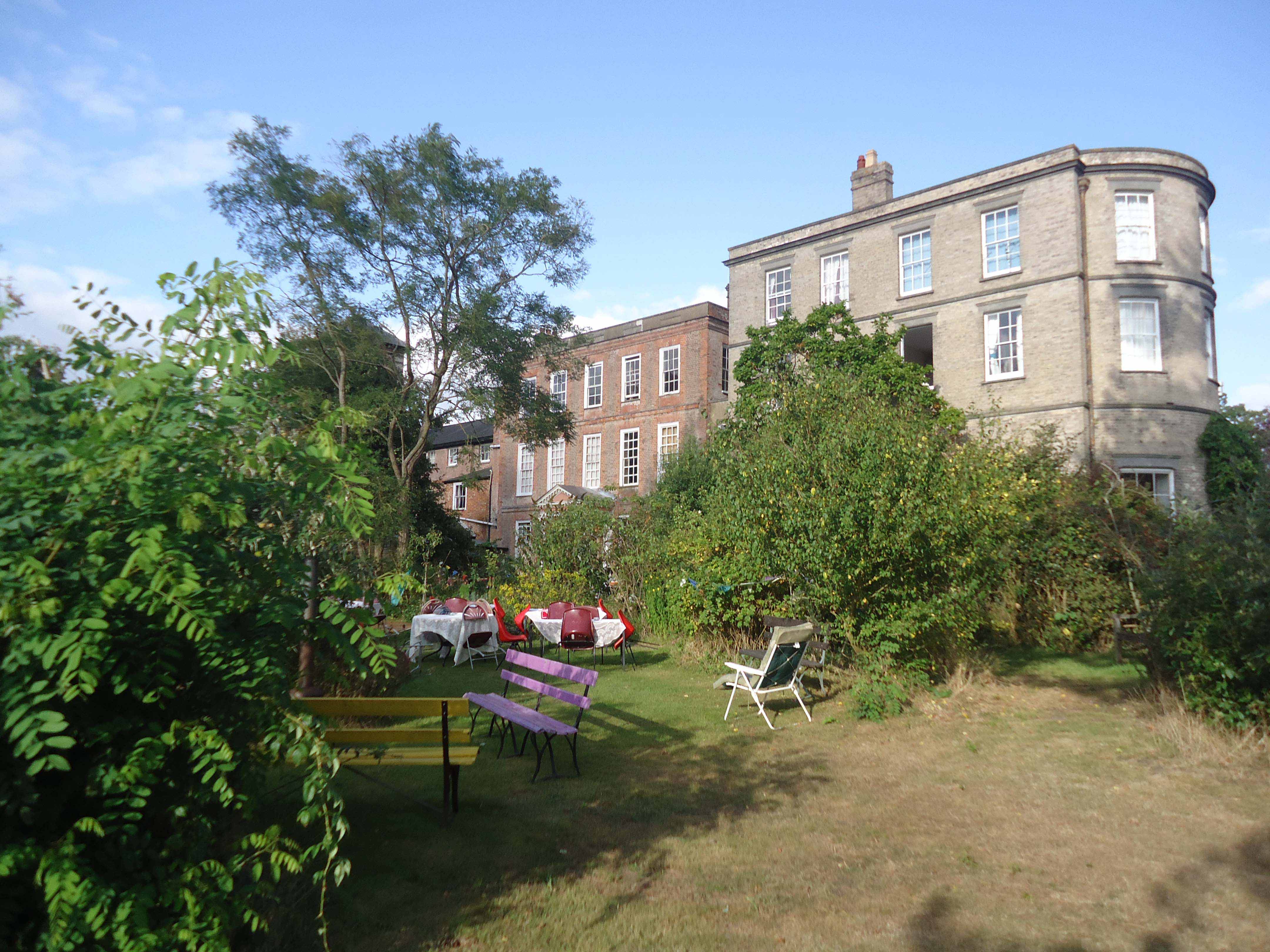
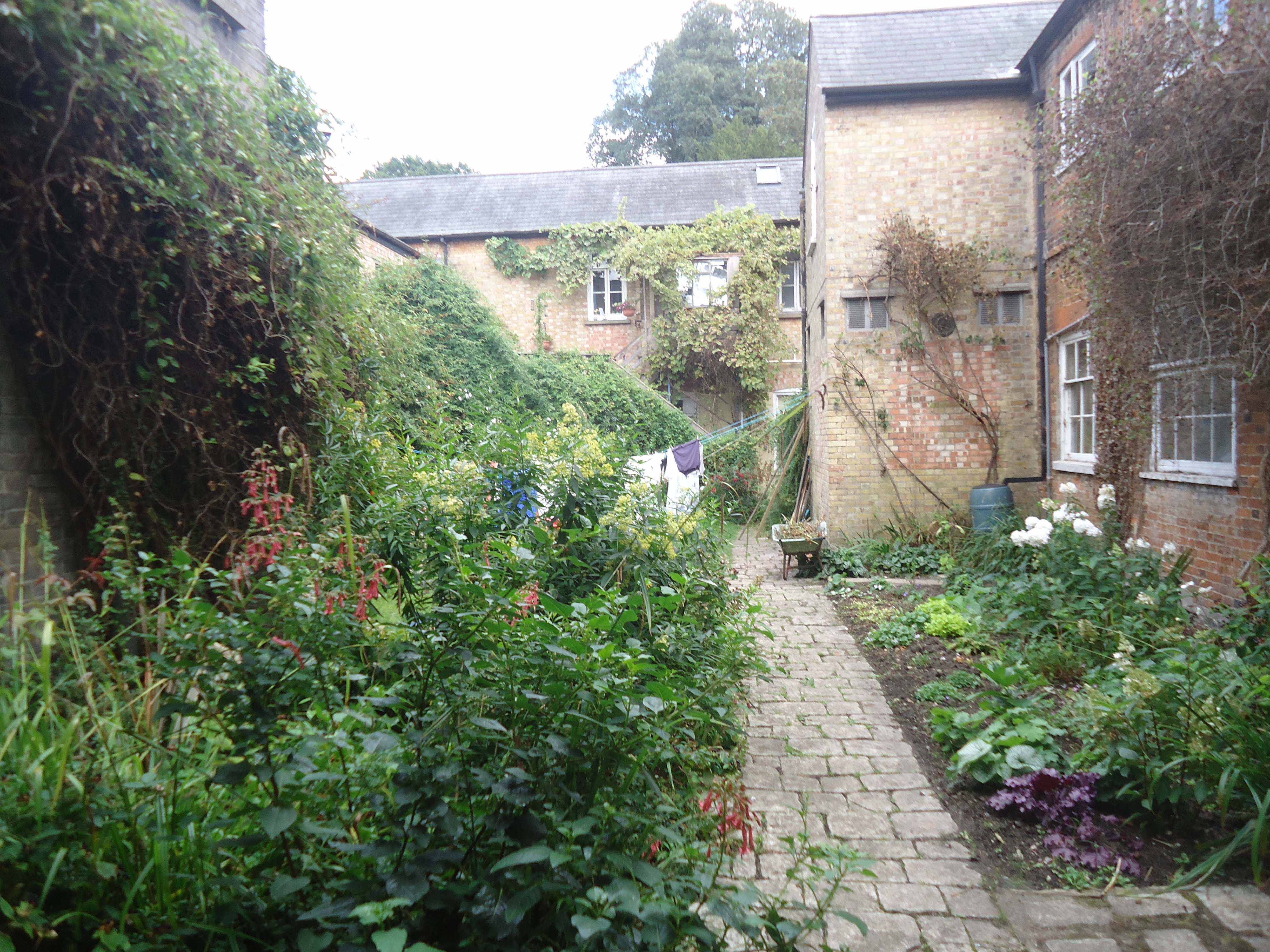
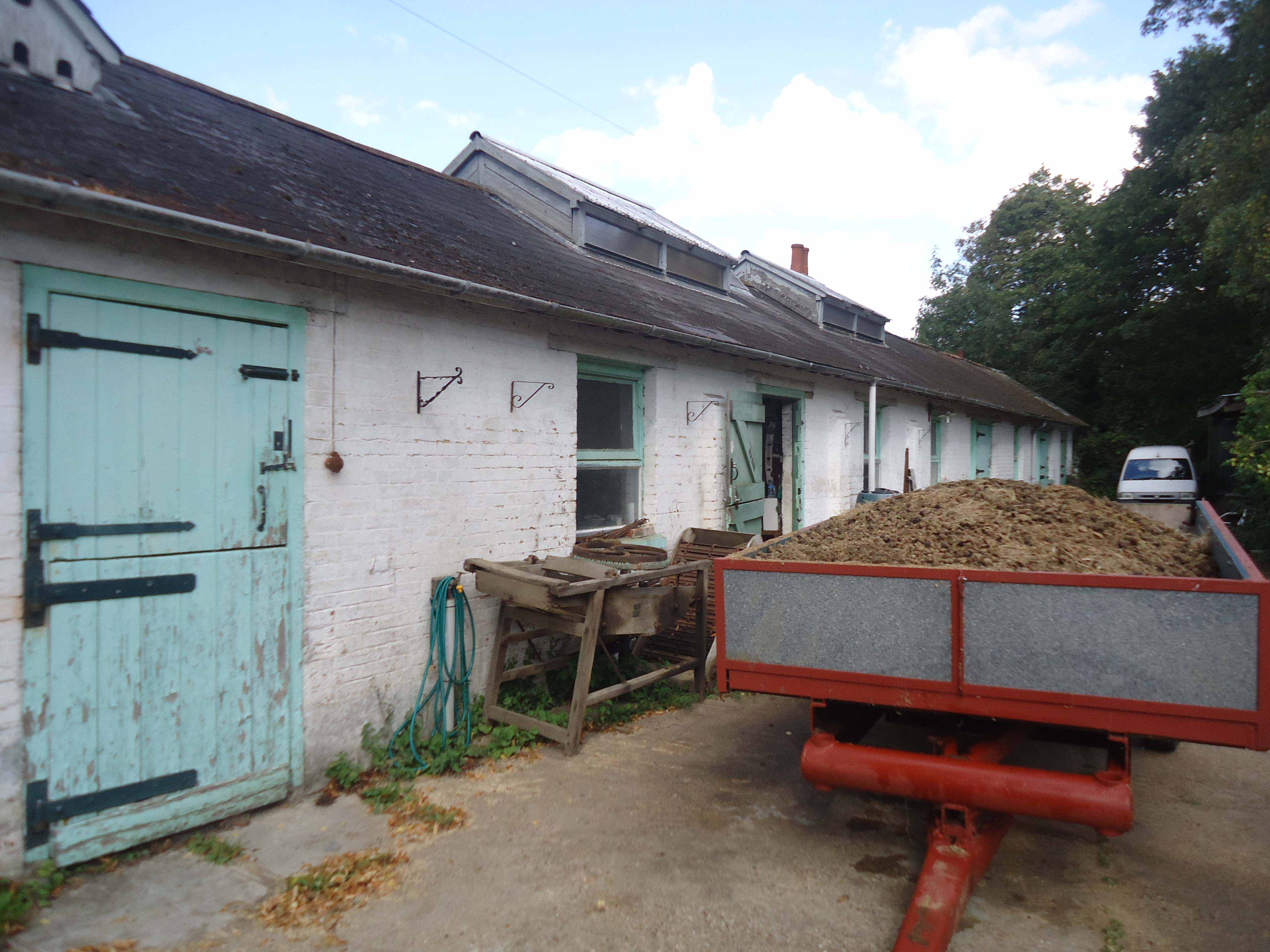
Members of the community explain how the commune works: We are a large community of people who share an old friary, and 70 acres of Suffolk farmland. We are located in the heart of Constable country in a large village which has a few shops, pubs and a post office, plus play groups, a primary and secondary school. All the members have their own private room or rooms. So a family with three children are likely to have four bedrooms and a living room. A single person may have one or two rooms depending on their invested capital. Formally we are a Housing Association.
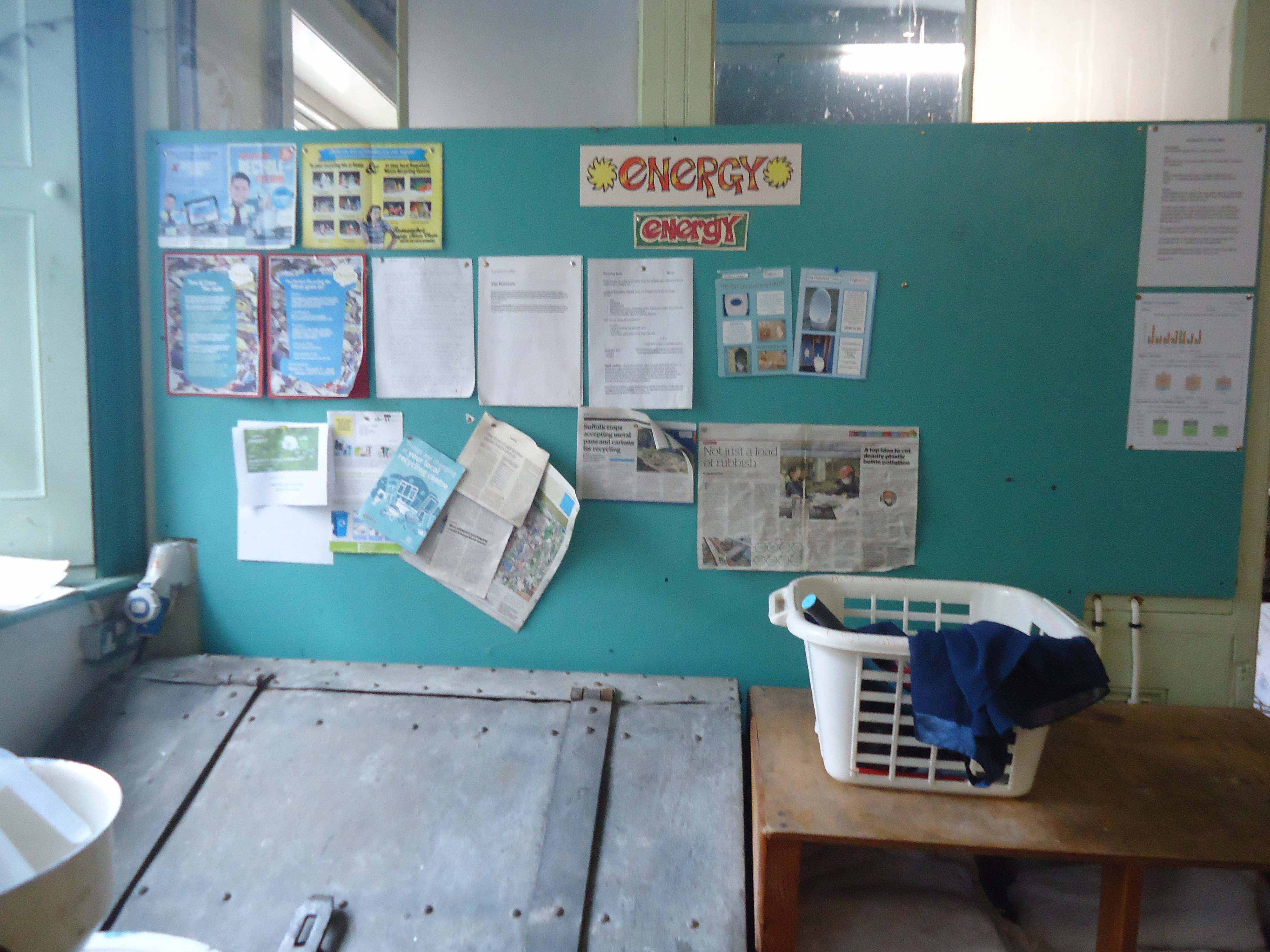
To help our communal living to work we have "Friday meetings" where we discuss ideas, and make decisions by consensus. Sometimes, of course, we have conflict and disagreement - all part of the rich tapestry here. We have convenors for the land, domestic matters, energy, volunteers, recycling, use of water, our social life and building maintenance. These sub-groups have regular or occasional meetings and make recommendations to the weekly meeting.
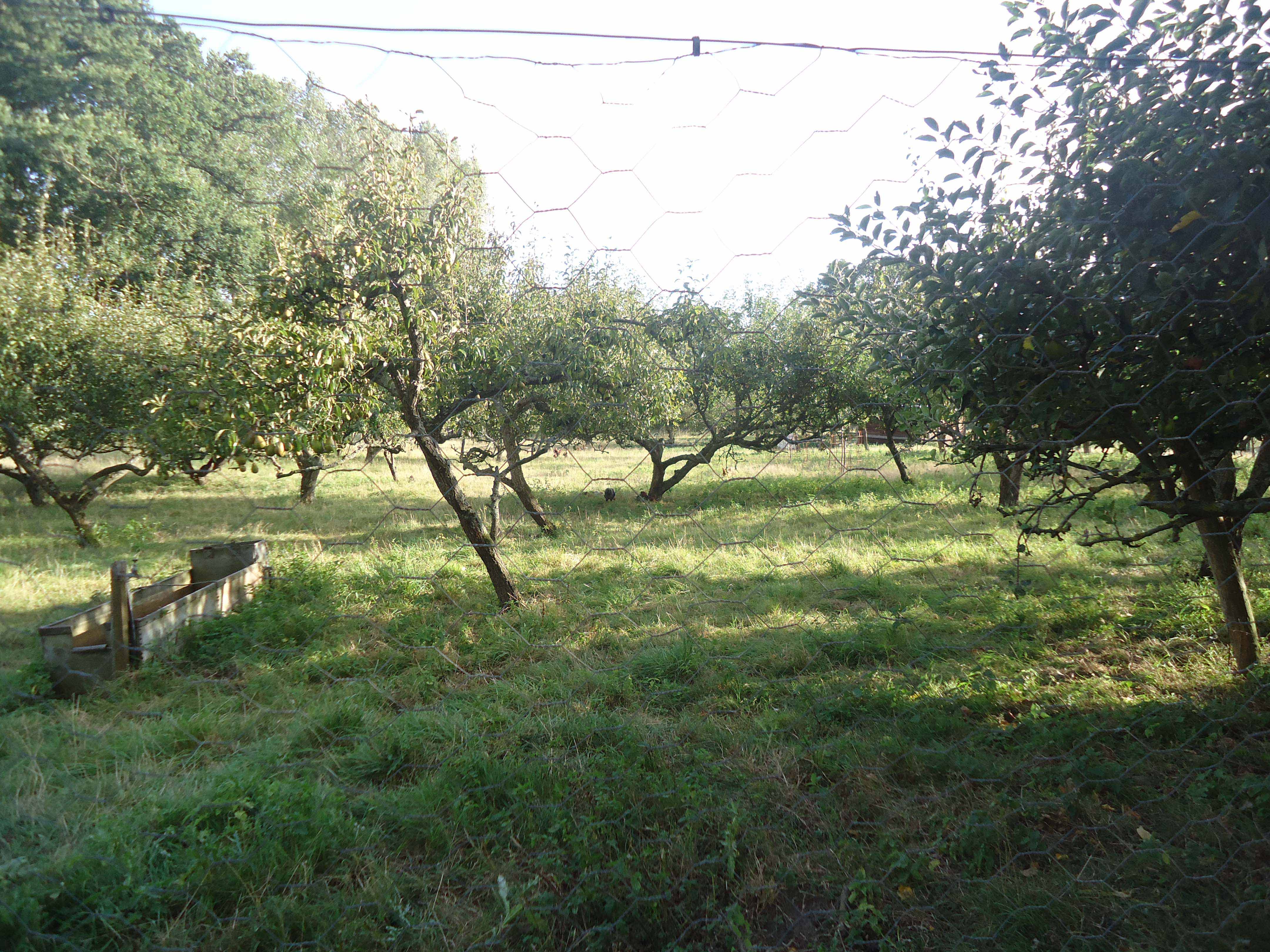
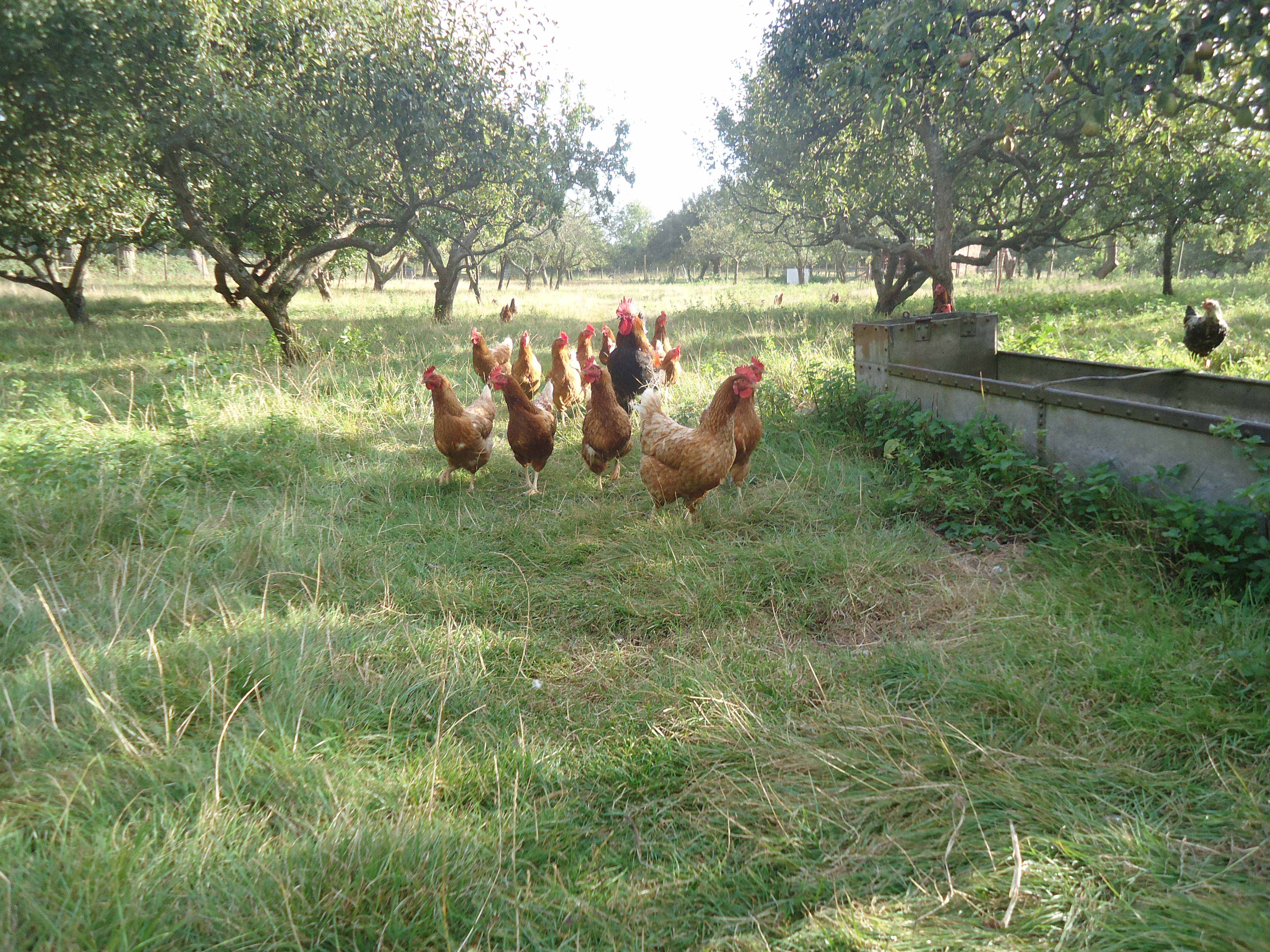
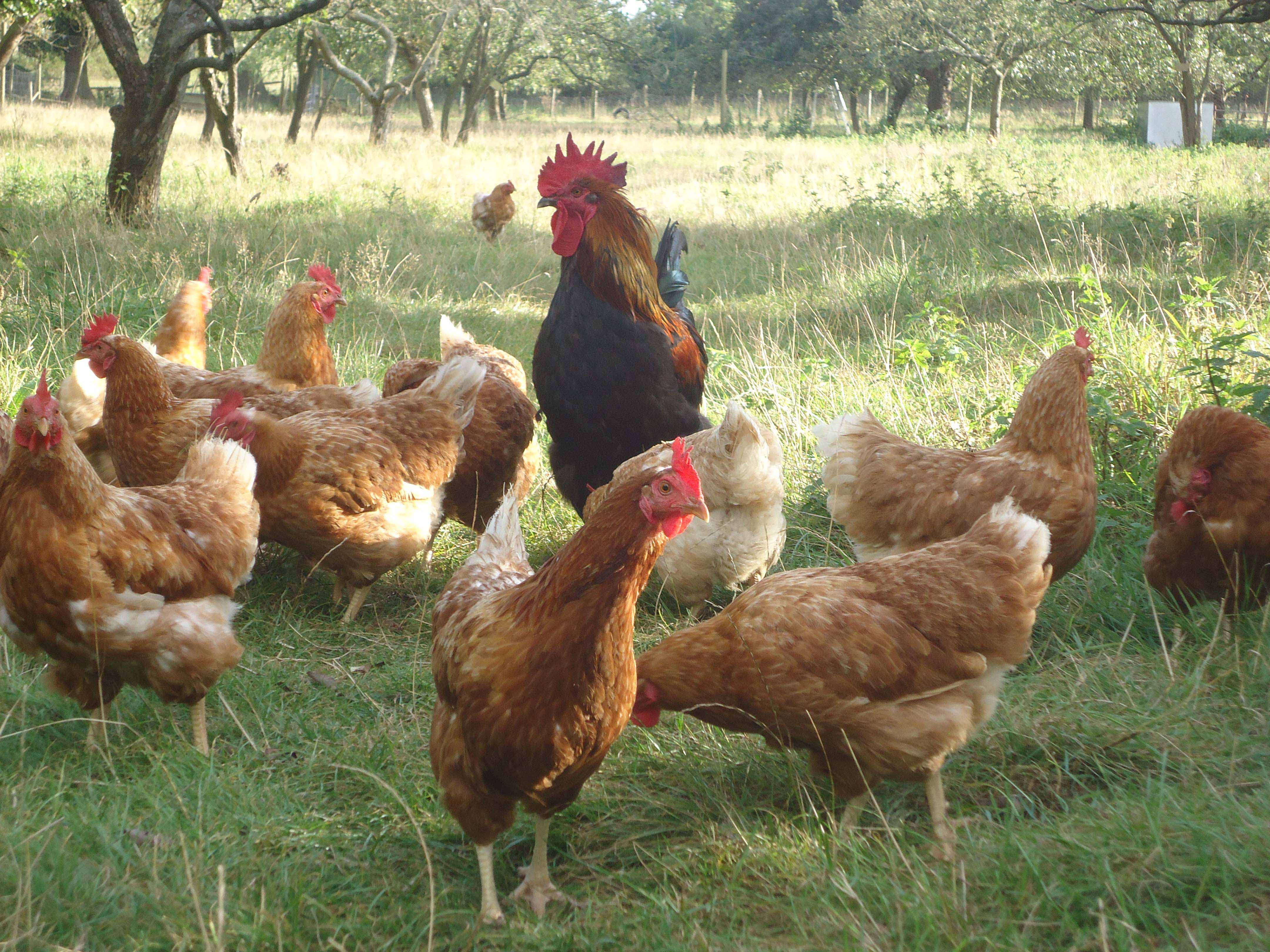
There is no single ethos for living at Old Hall – beliefs are as diverse as the individuals living here. Generally however, we share a concern for the environment and a desire to live an egalitarian, co-operative and healthy lifestyle. We attempt to farm the land, rear our animals and grow our food as organically as we can.
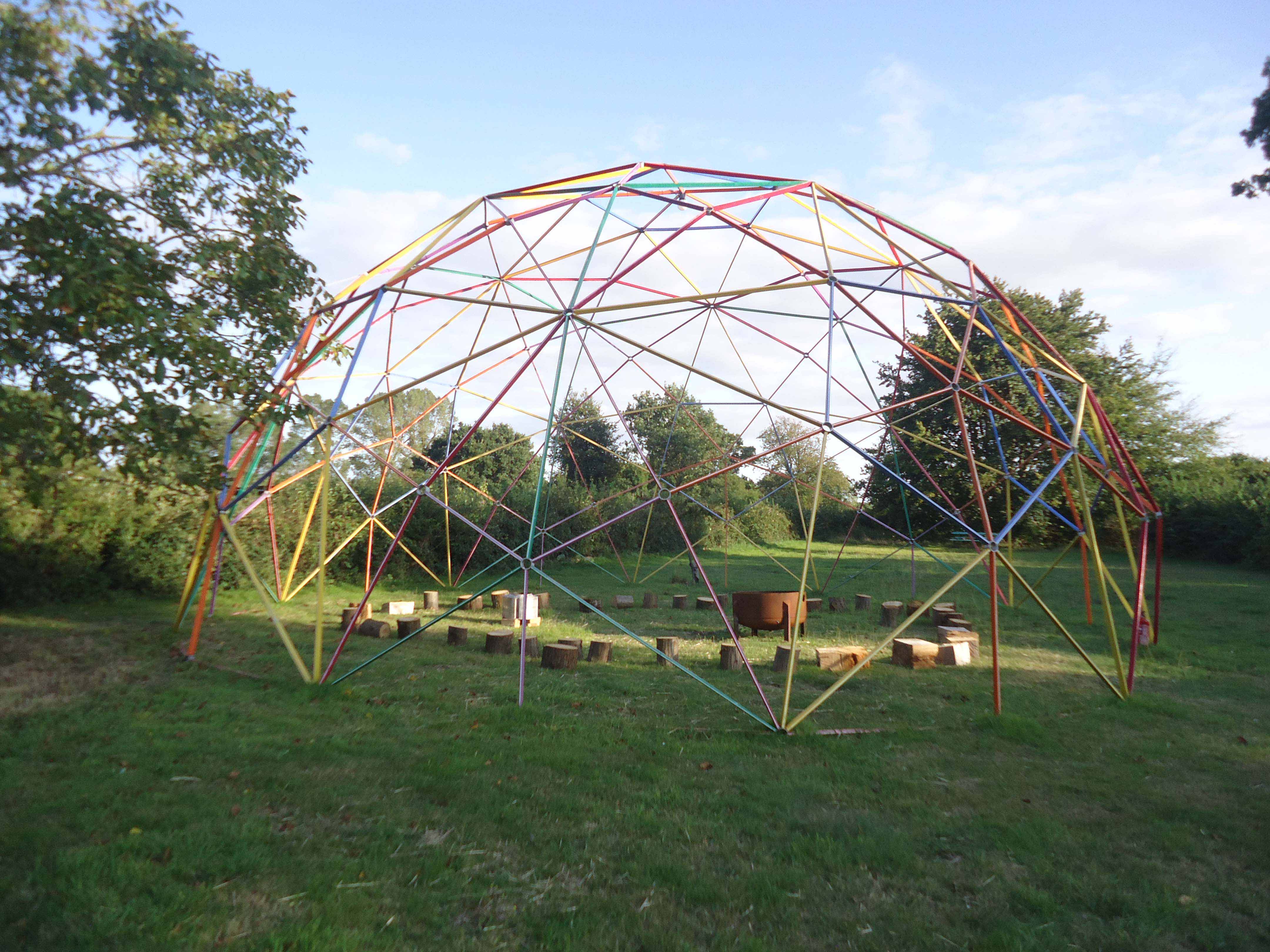
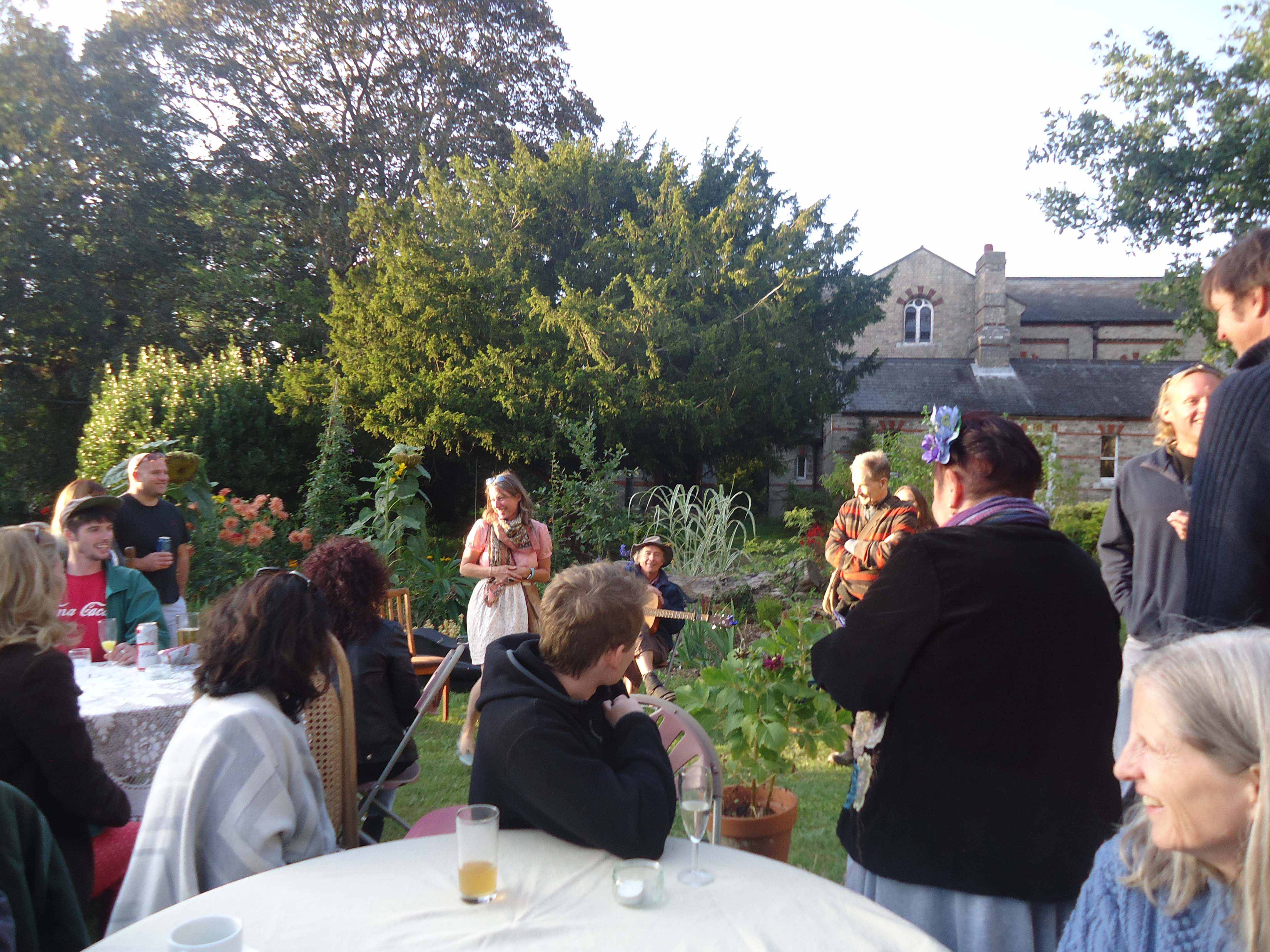
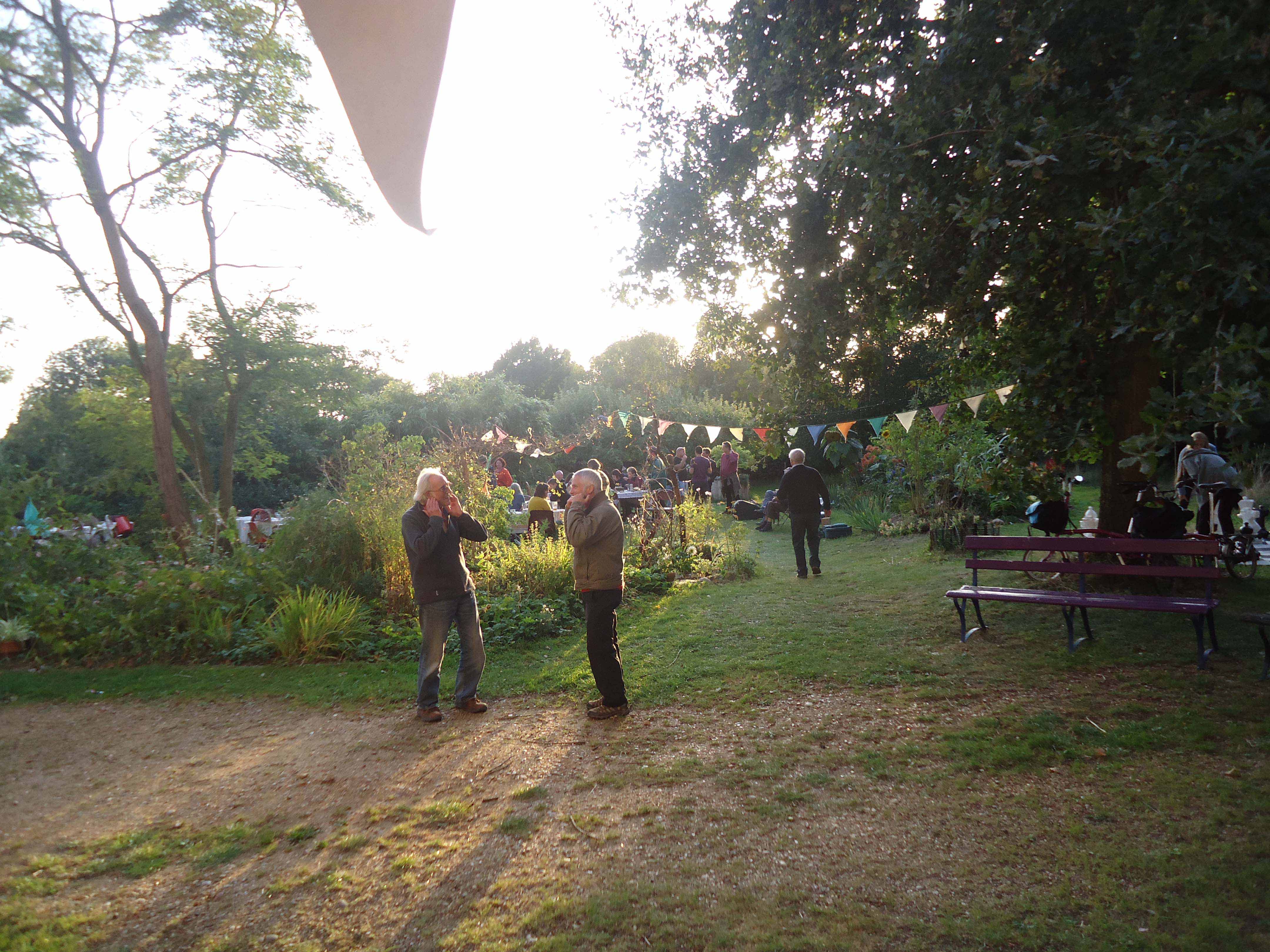
Most social activities are informal and spontaneous. We do sometimes have big parties and hold events open to the public. Christmas, New Year, and our summer birthday are celebrated in grand style. We also have an annual summer camp for children plus Maypole dancing and a pantomime.
Living in a large group of people has its joys – and its difficulties. Not everyone gets on all the time and decisions can be frustratingly hard to reach. However, on the whole we are a bit like an extended family. At the same time, despite the number of people, it is always possible to find peace and quiet.
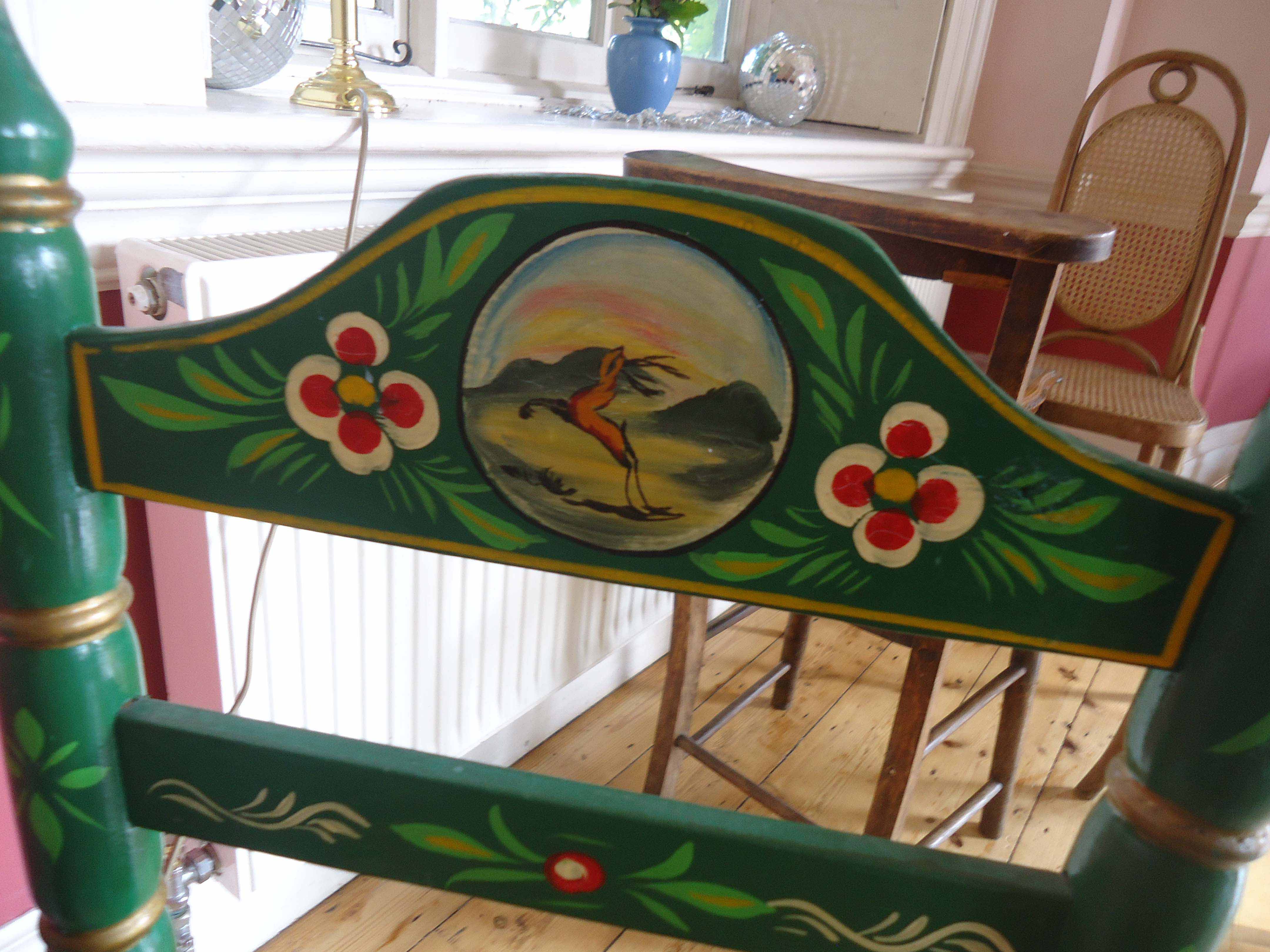
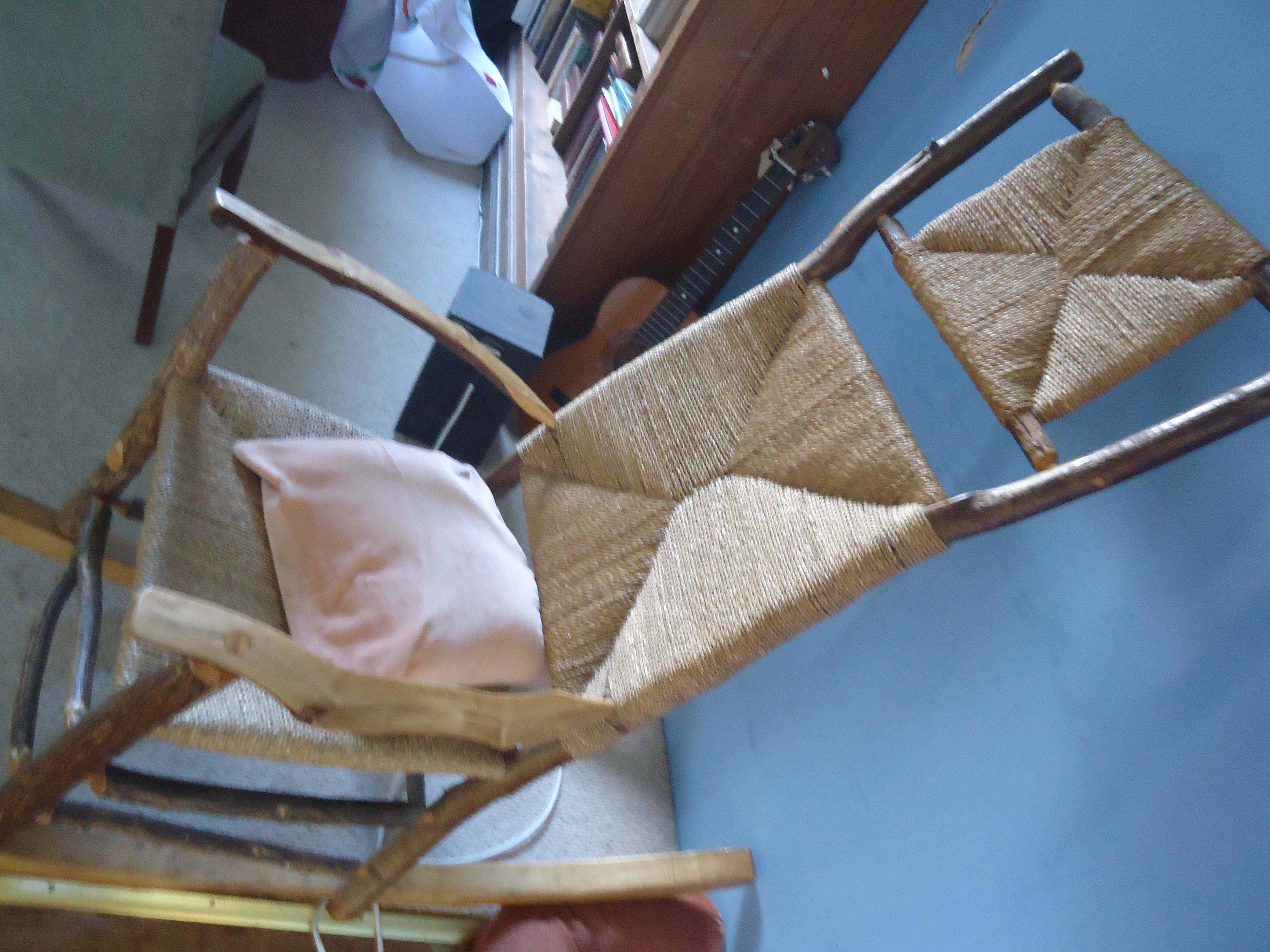
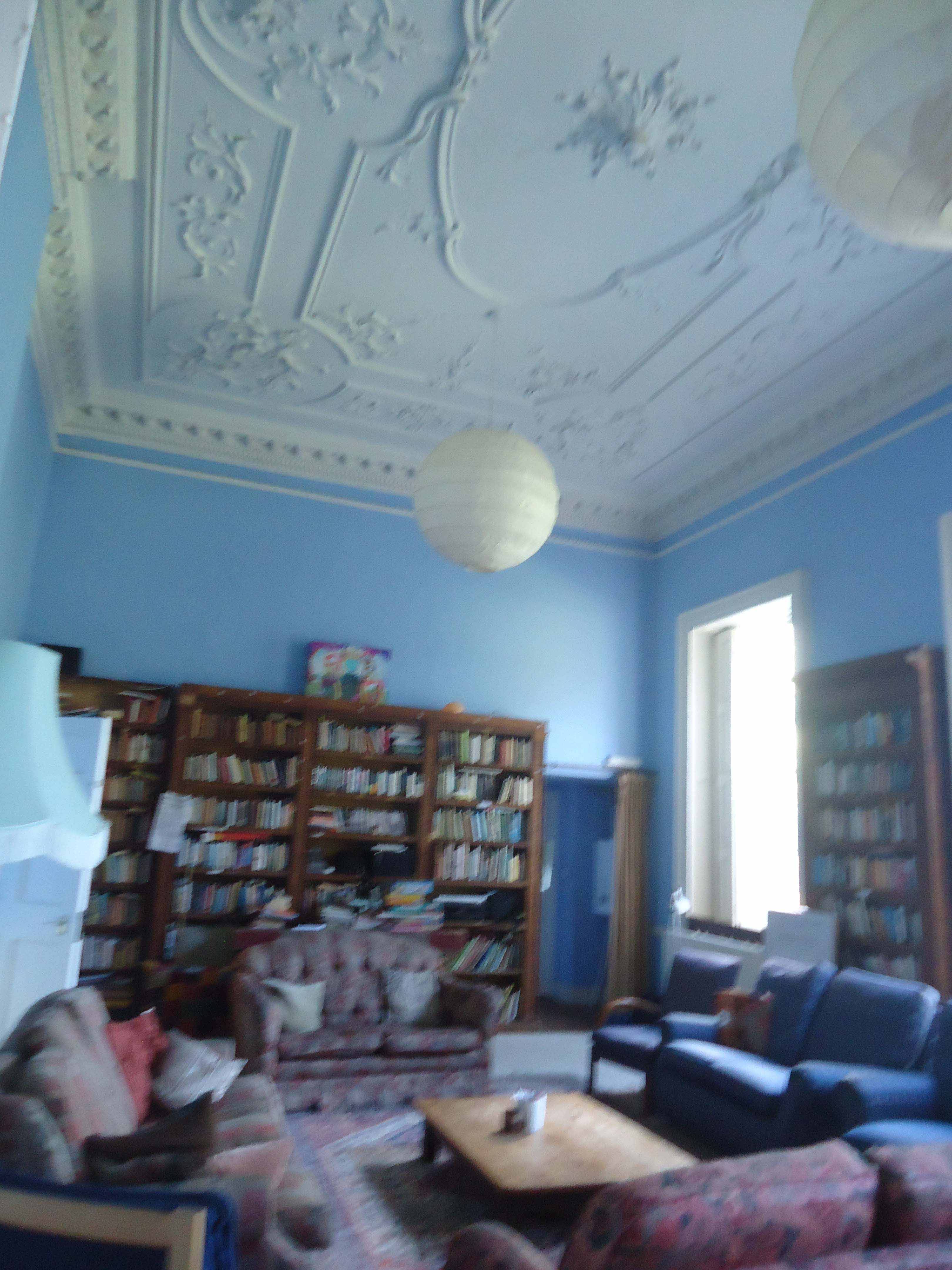
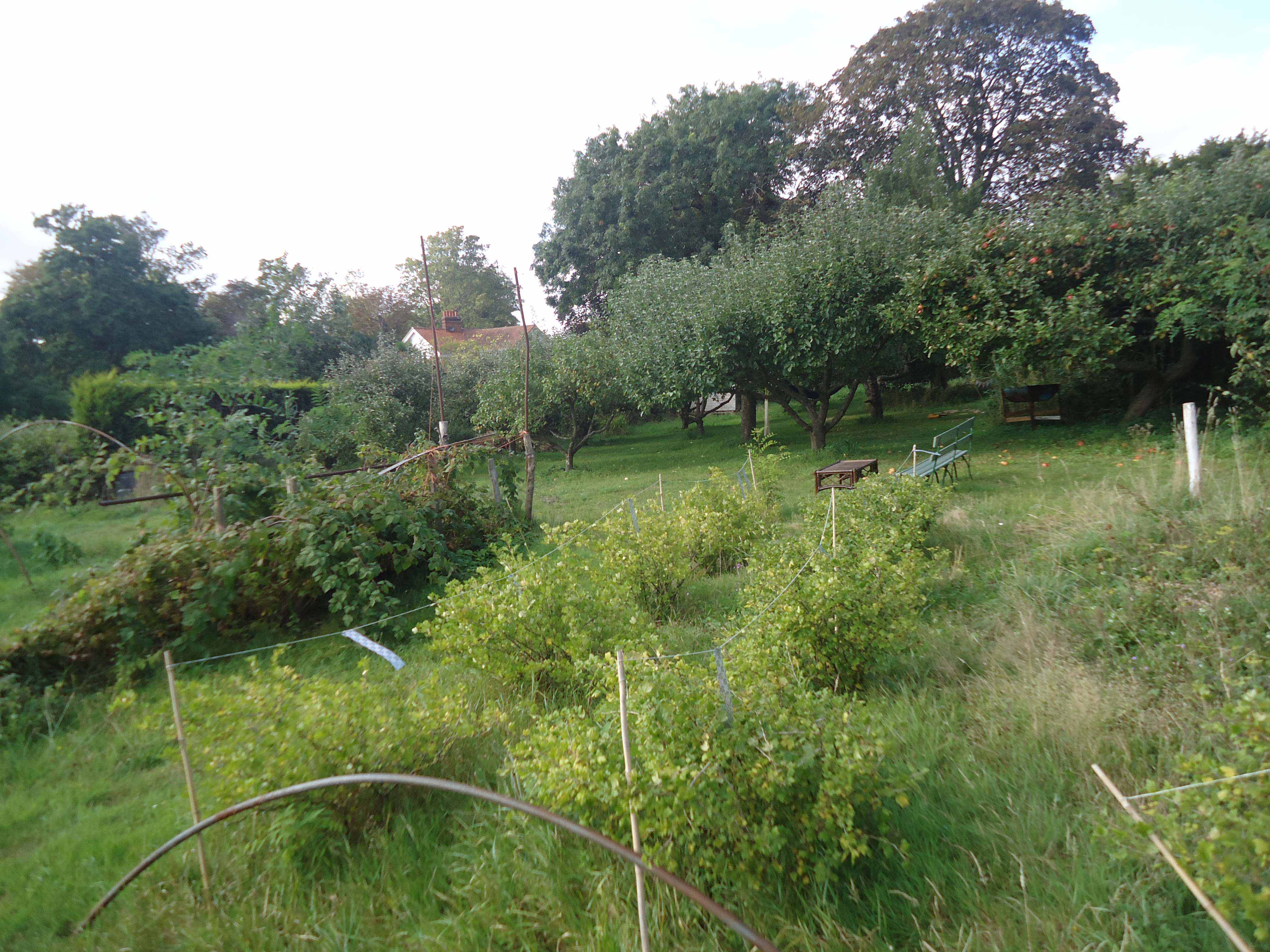
Food & Energy
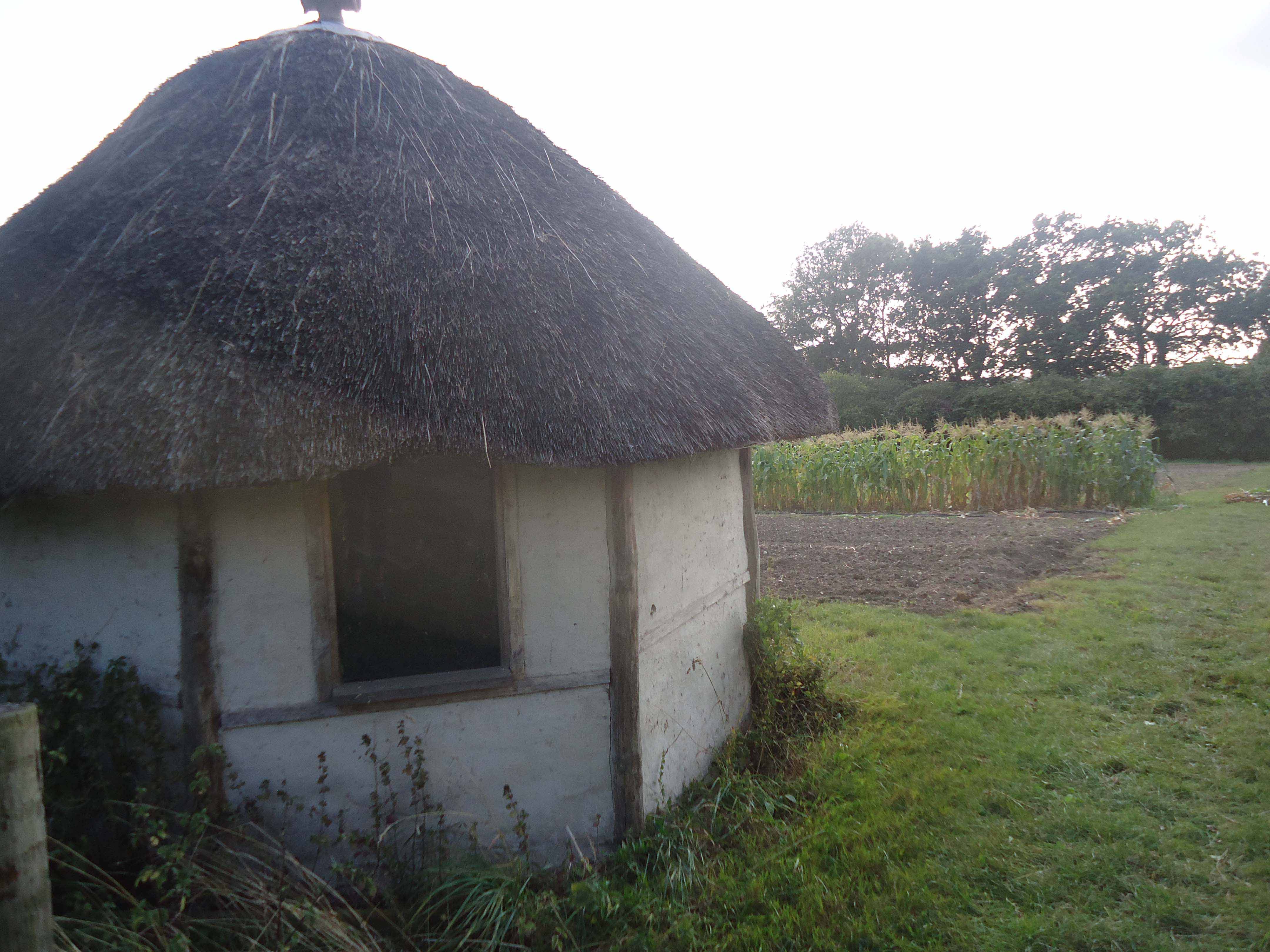
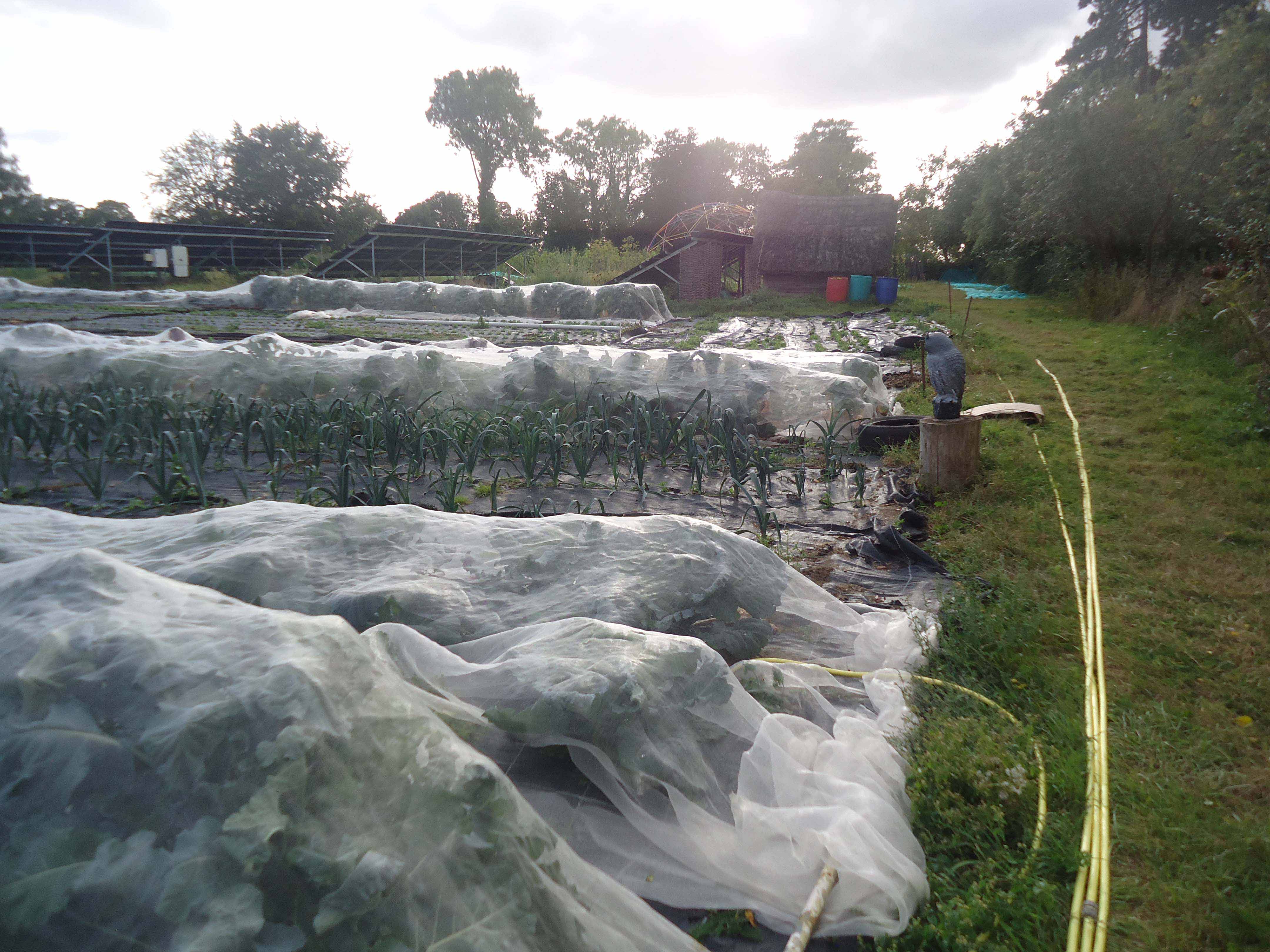
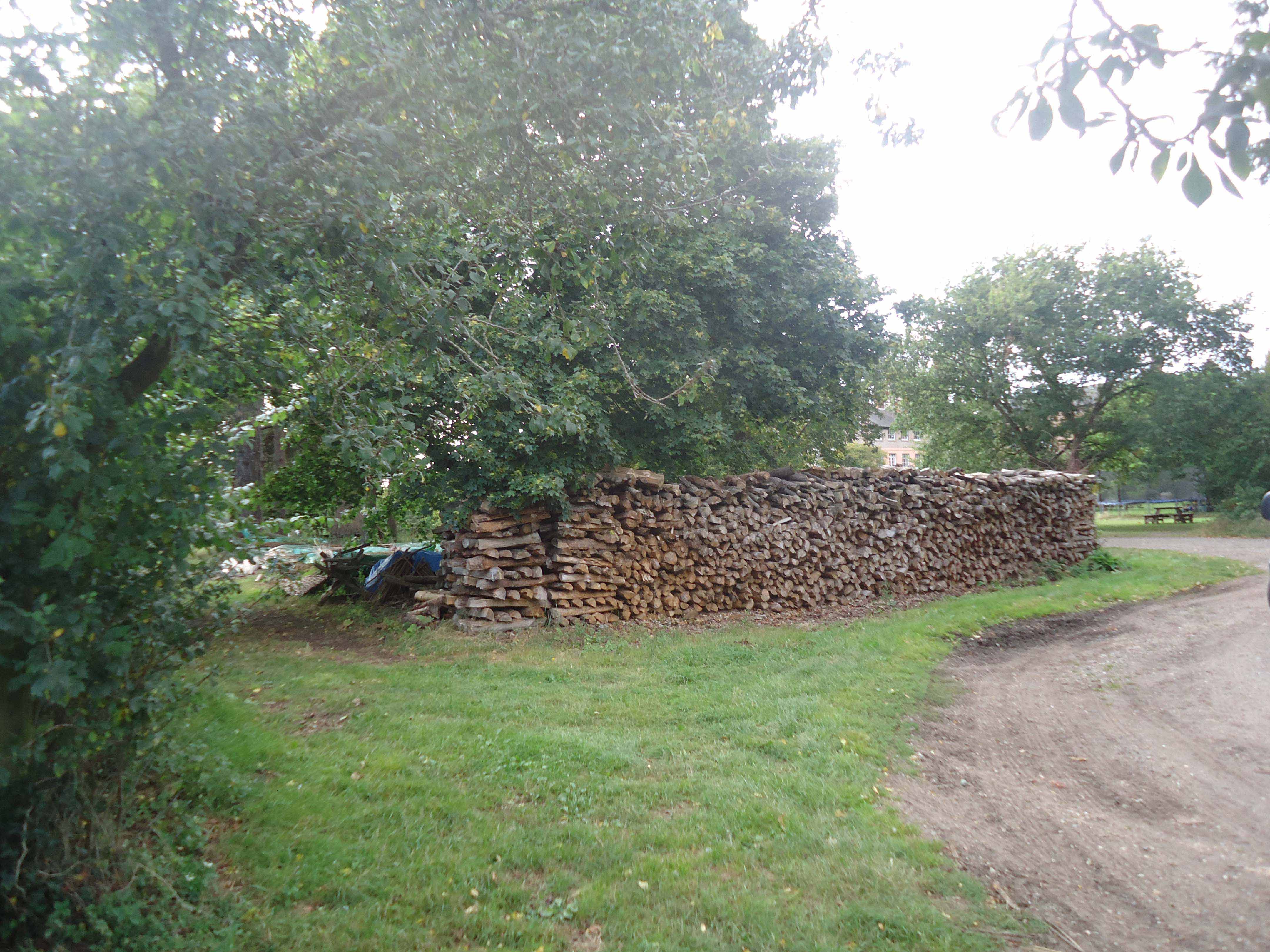
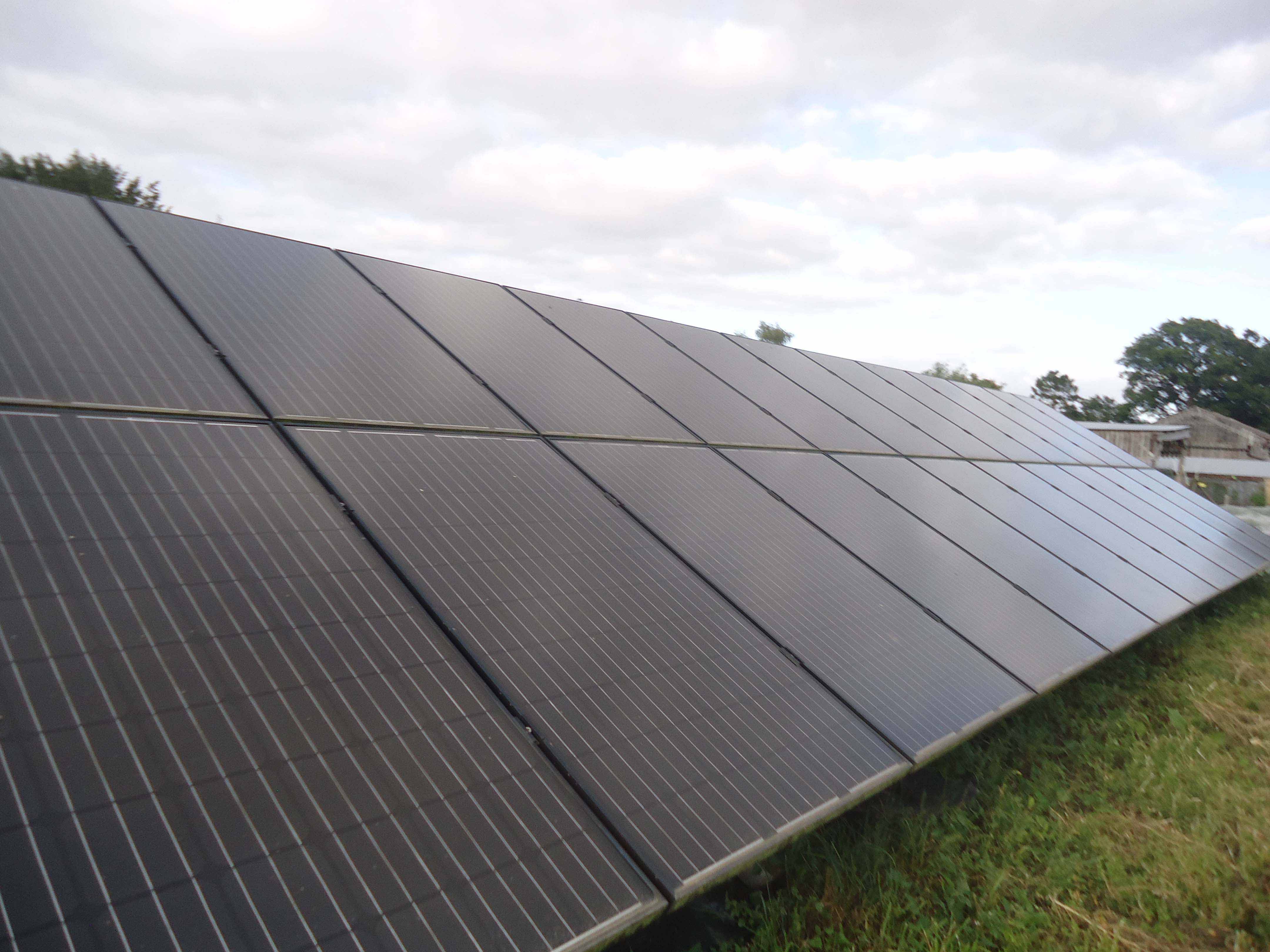
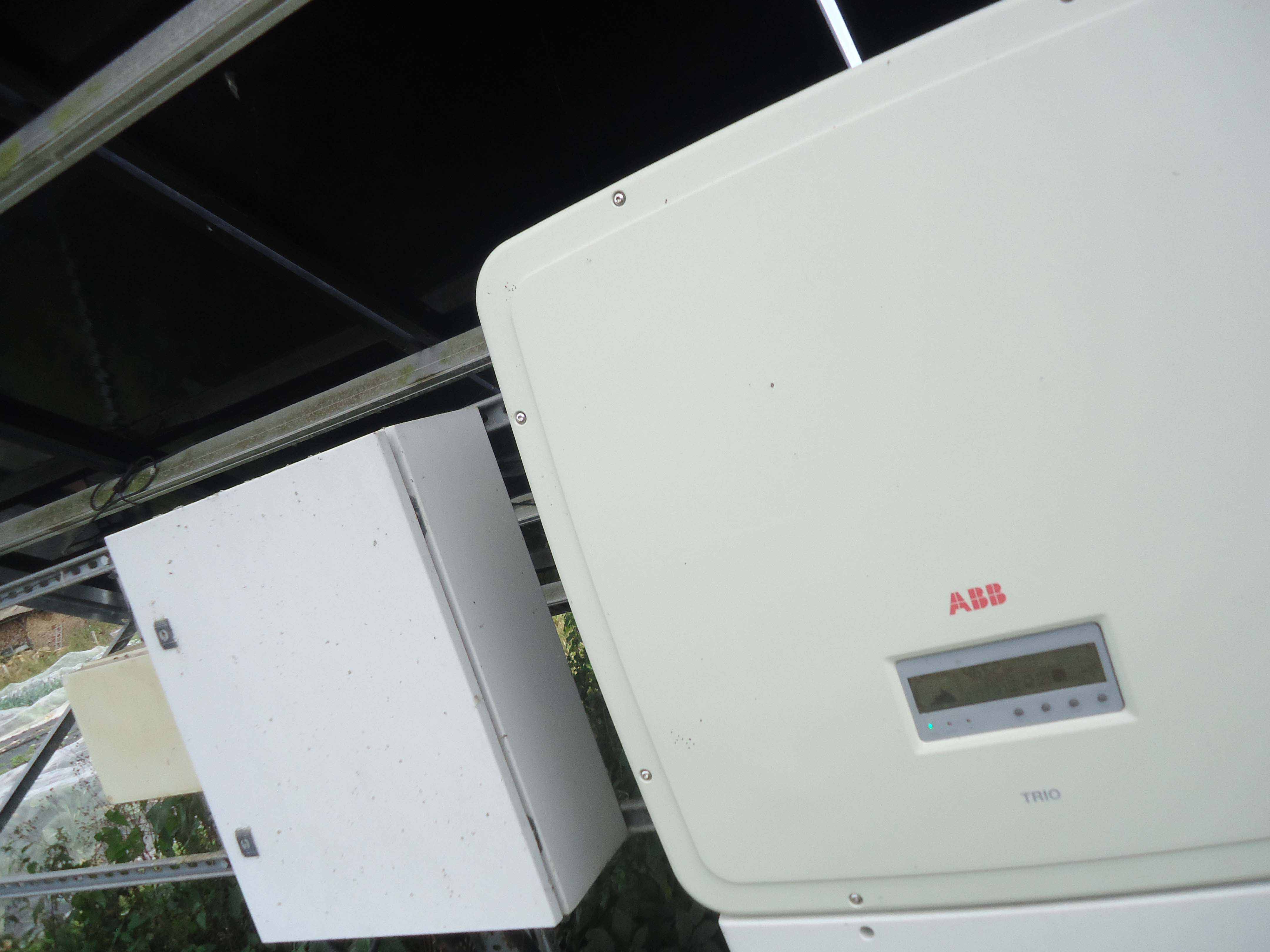
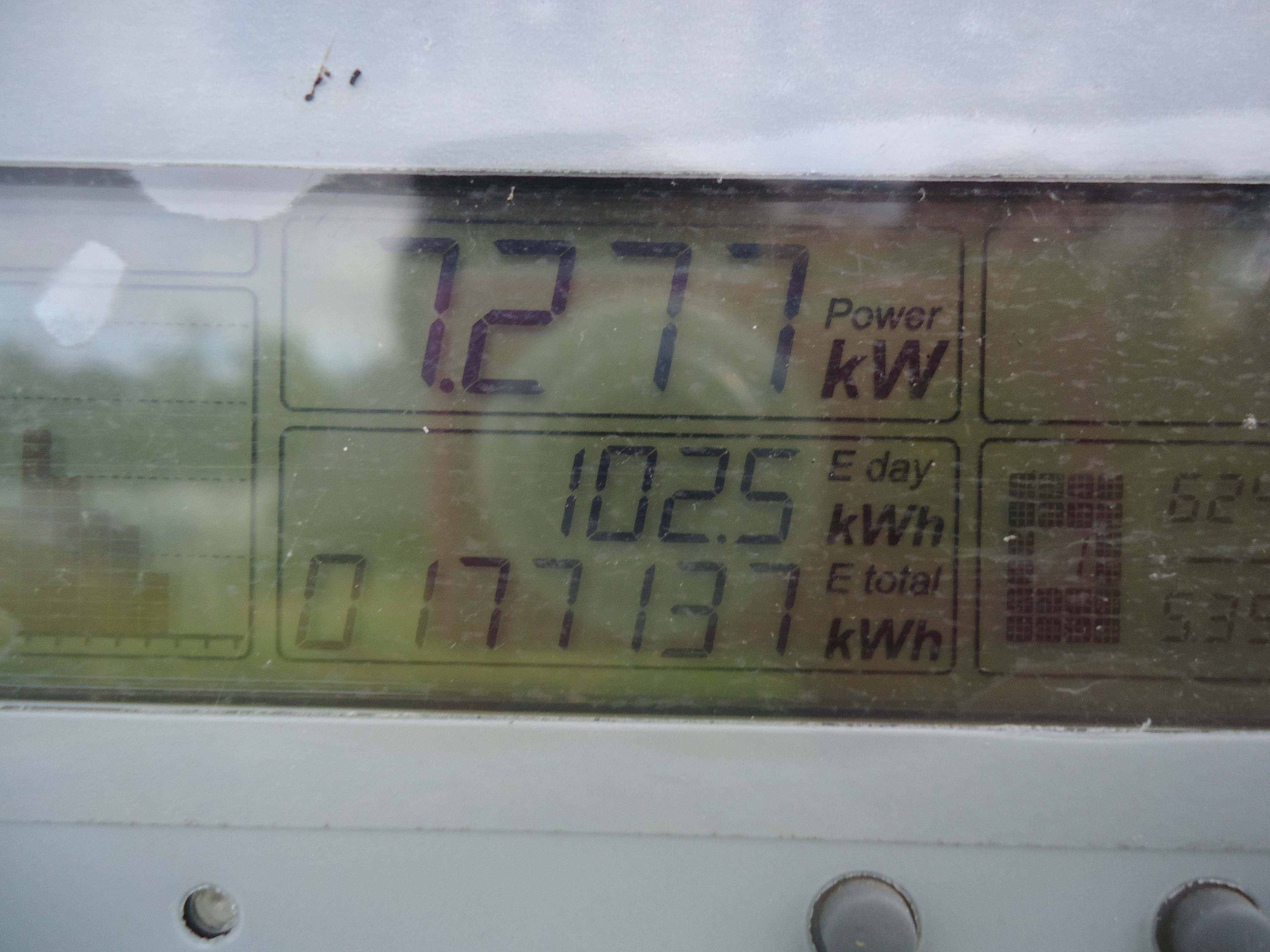
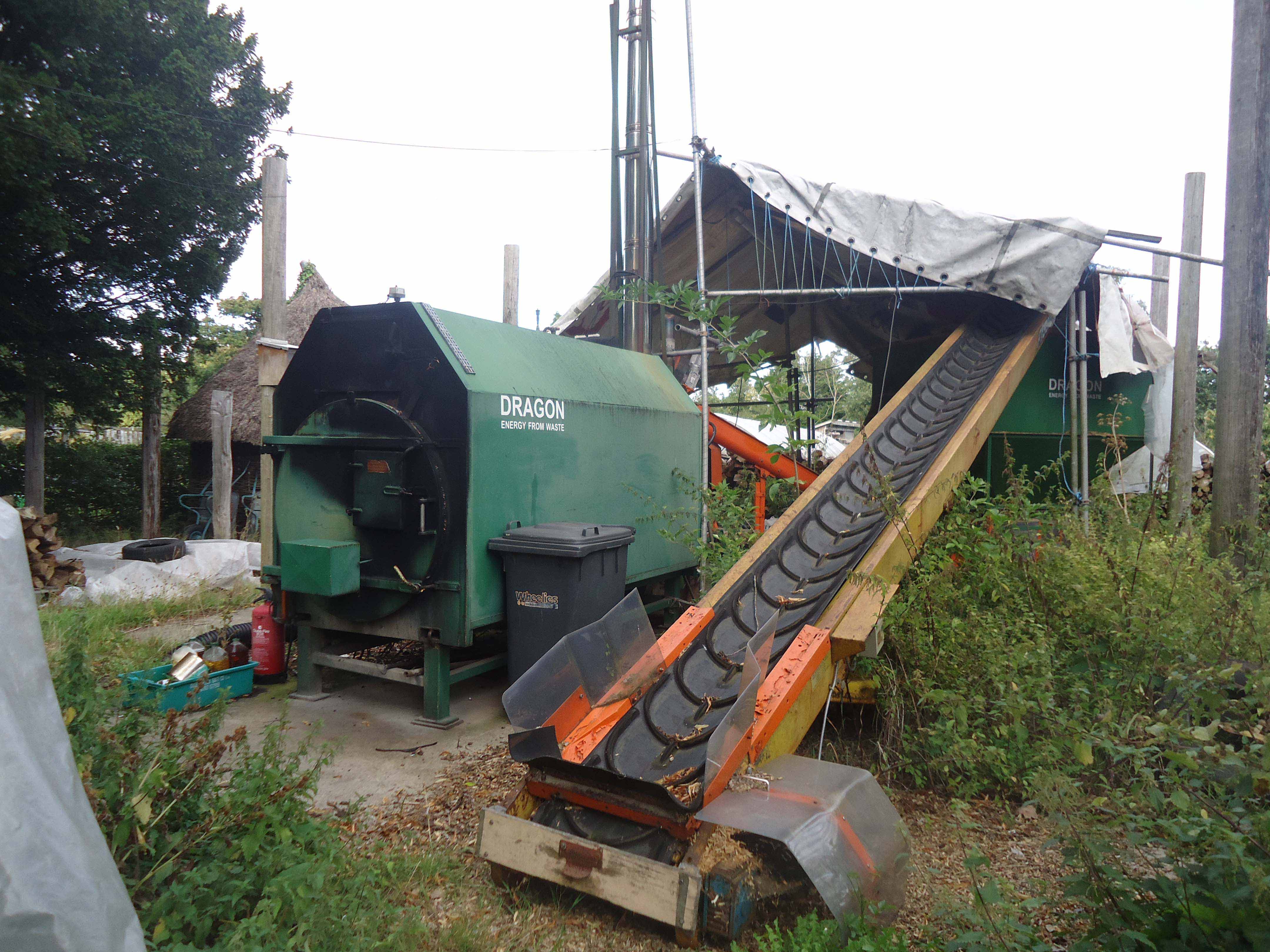
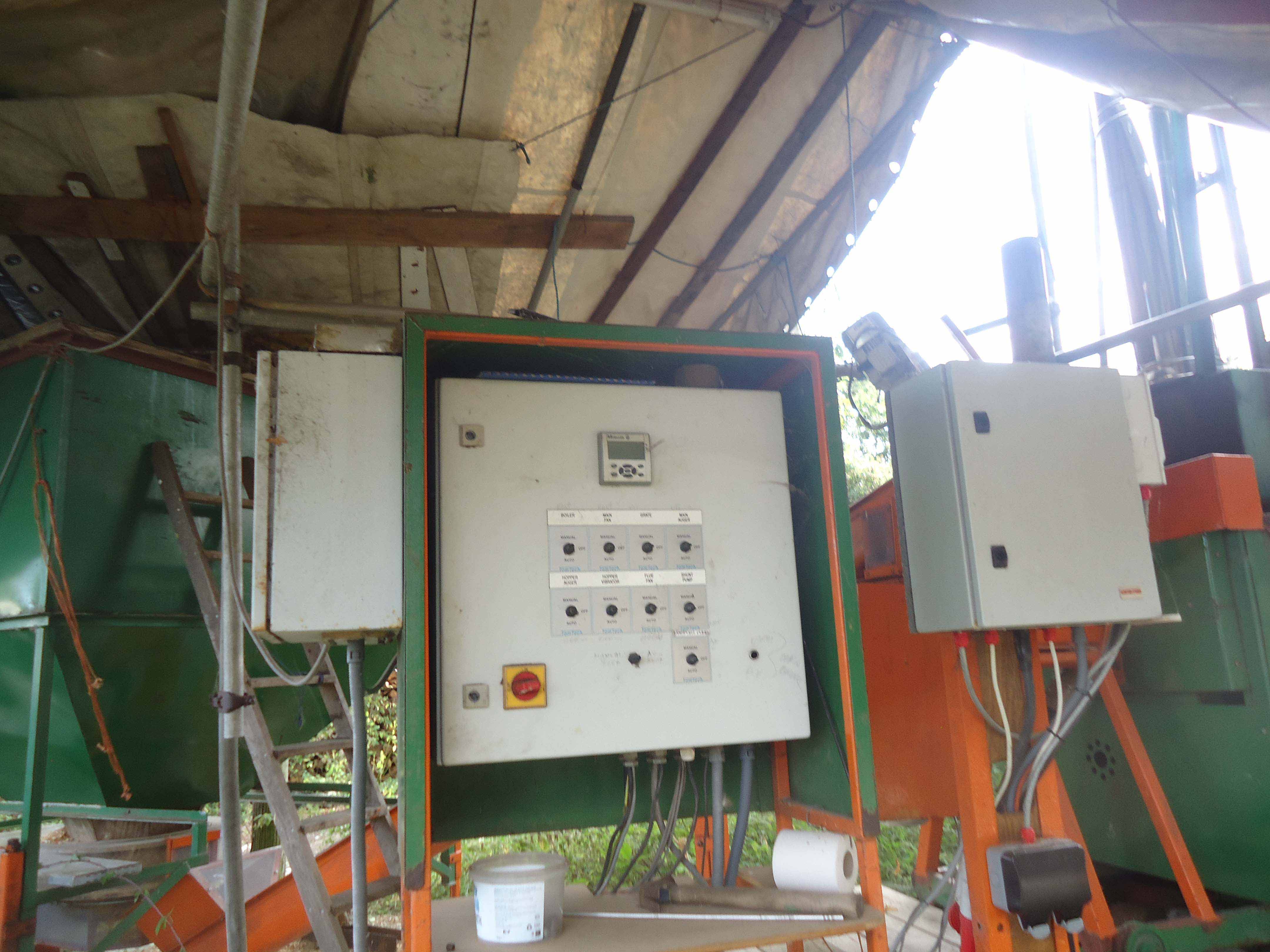
We share the workload to be nearly self sufficient in food and energy. Our water is heated by a large wood fired biomass boiler we call the dragon and supplemented by a ground source heat pump. A gas fired boiler is used as a last resort back up. We have an array of 120 solar PV panels to provide our electricity. There is a monthly ‘maintenance’ payment linked to space occupied and the number of people living in that space – this space covers all of the bills related to the building (maintenance, gas, electricity, council tax, etc). There is also a standard monthly charge that covers all of the costs associated with producing the food and eating meals, as well as the use of such consumables as washing powder, tea, coffee, flour, etc. The actual amount paid every month varies; but it is always considerably less than it is possible to exist on in the real world.
Water & Self Sufficiency
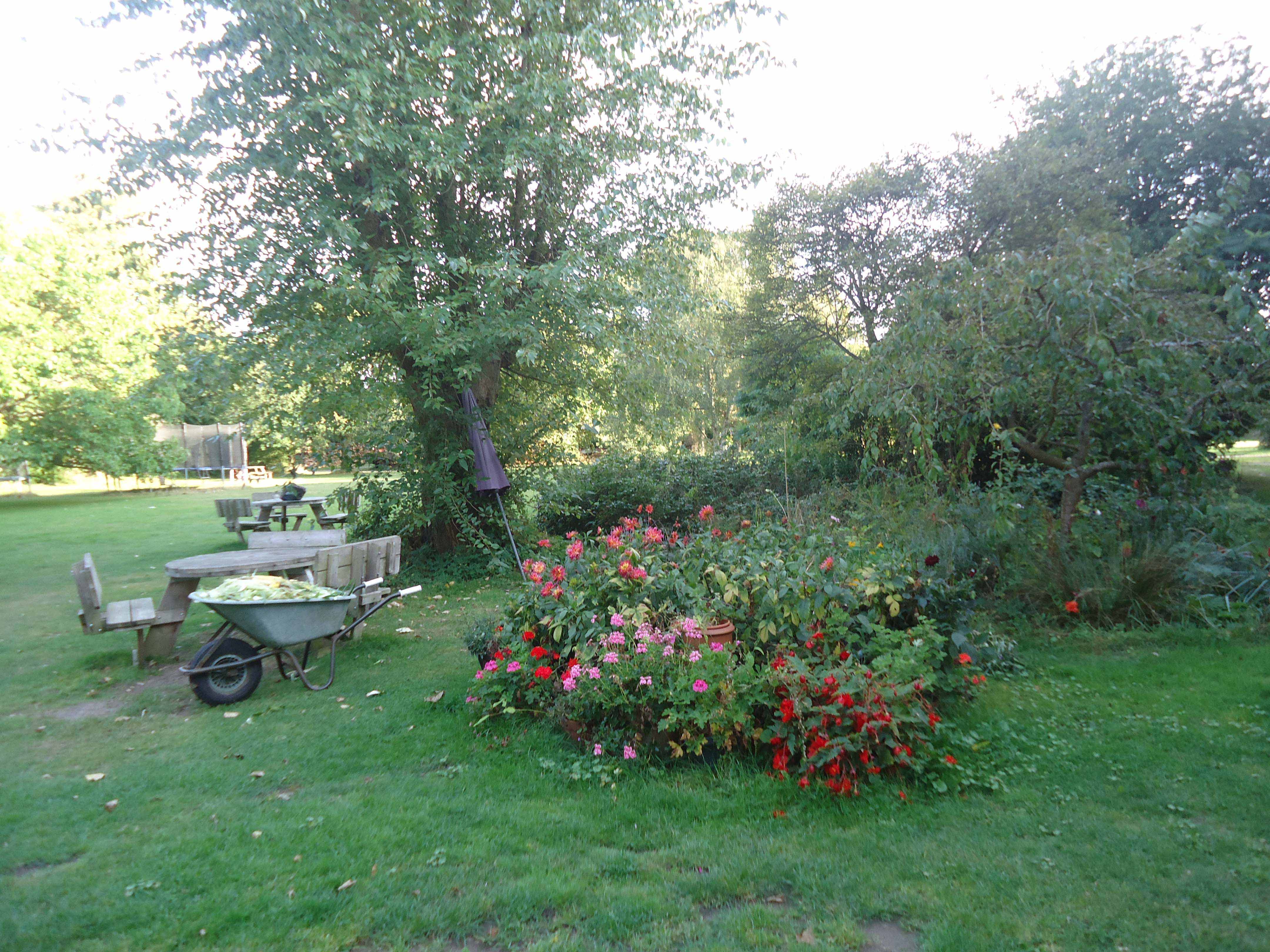
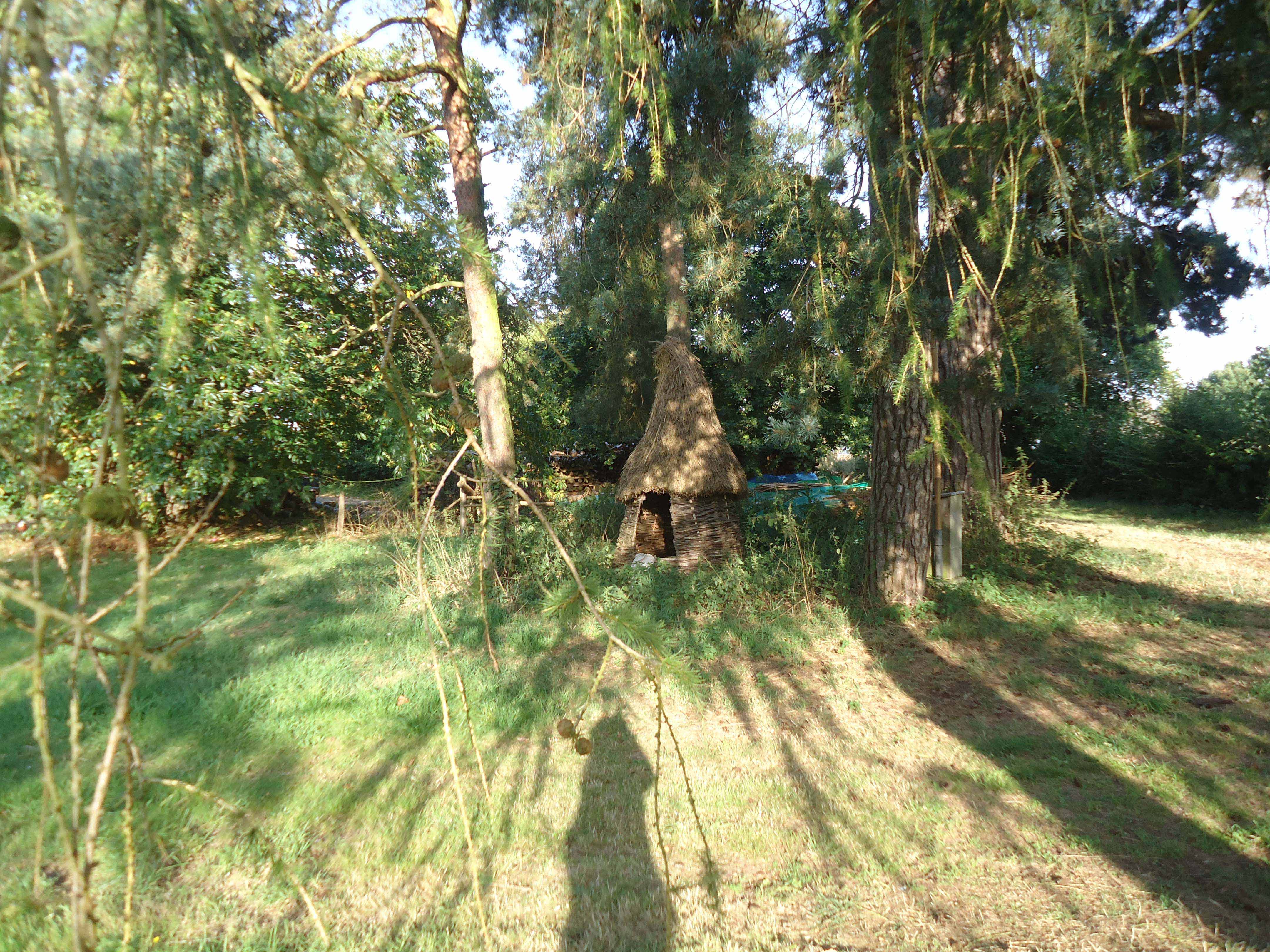
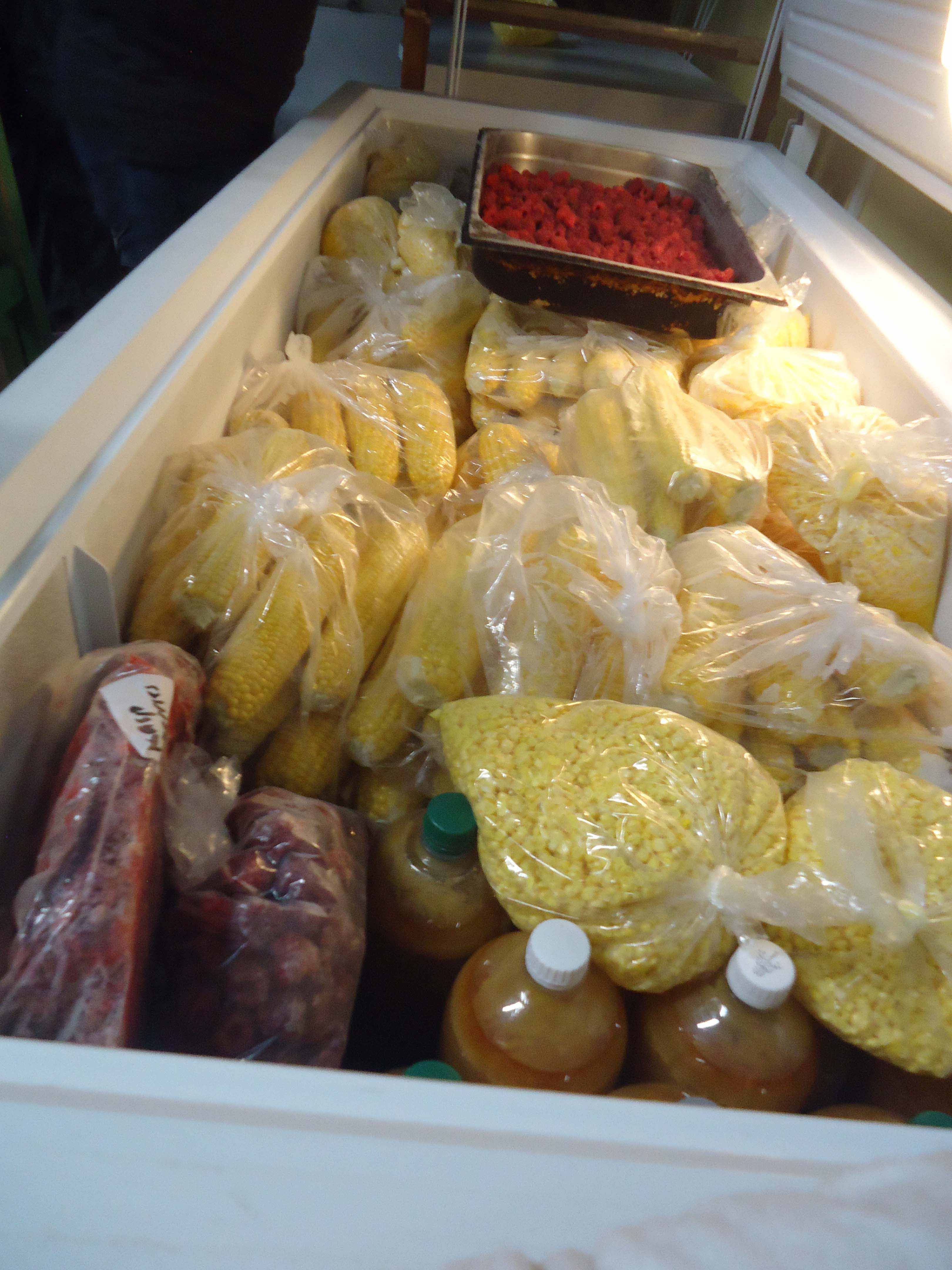
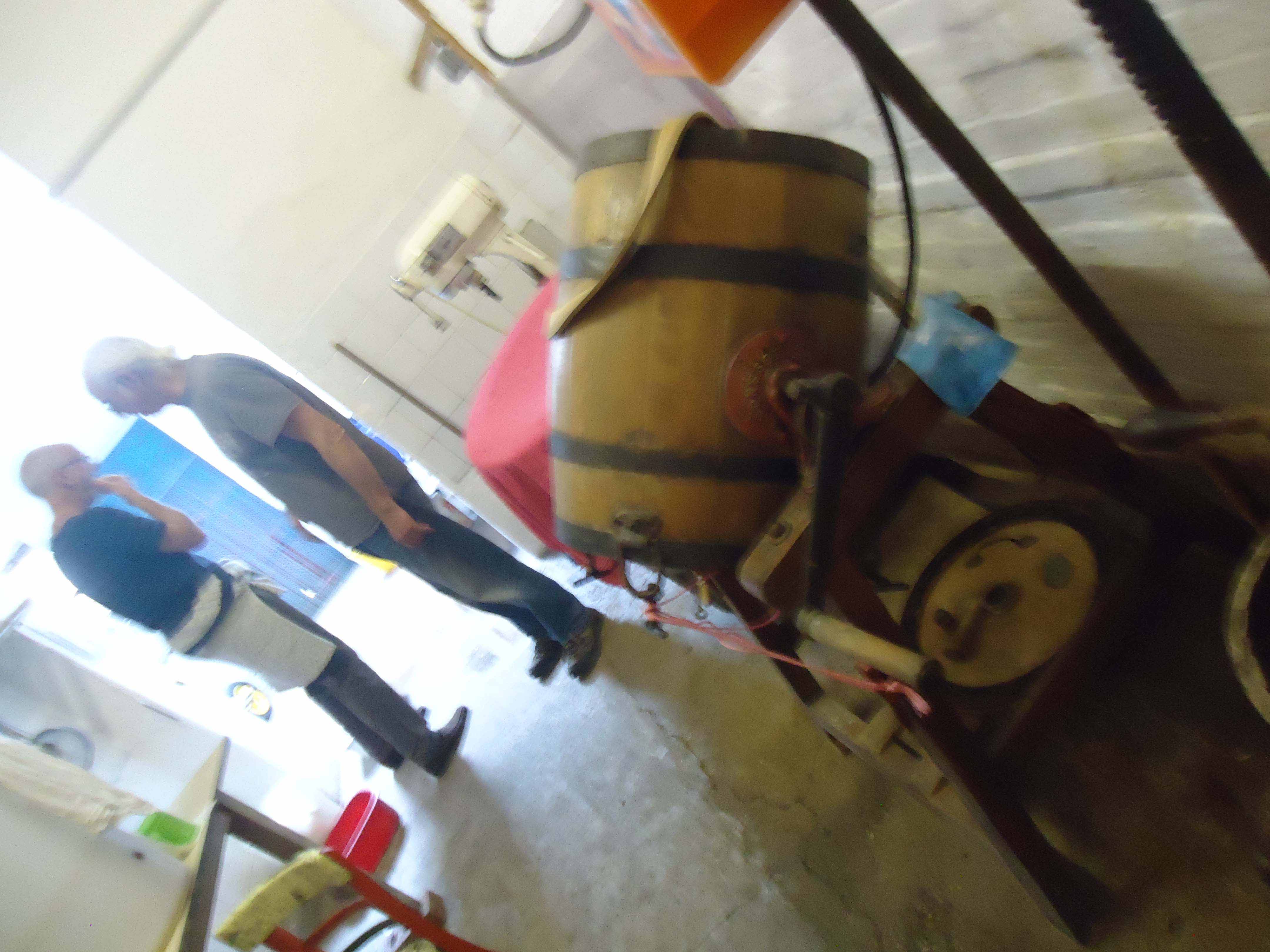
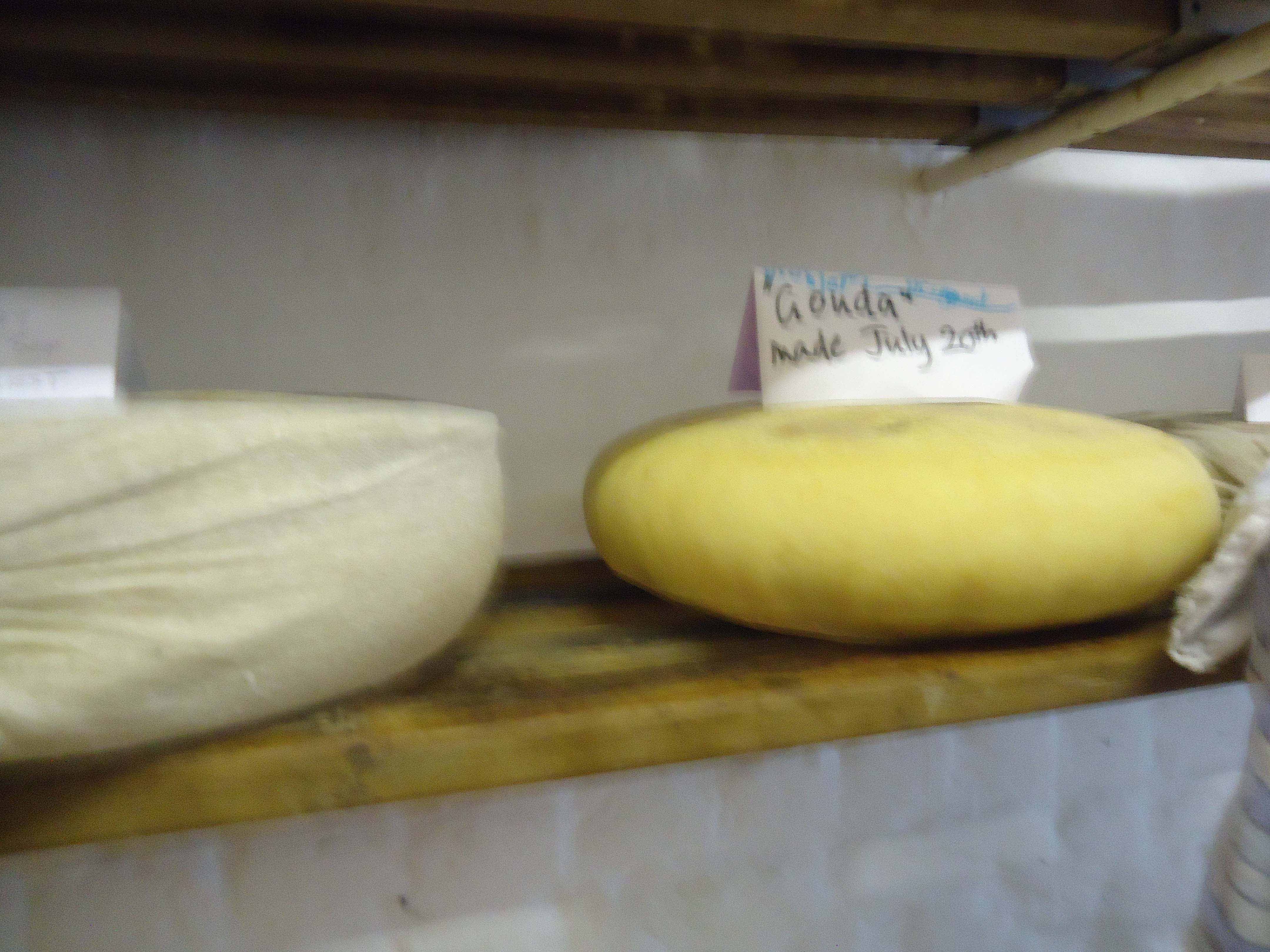
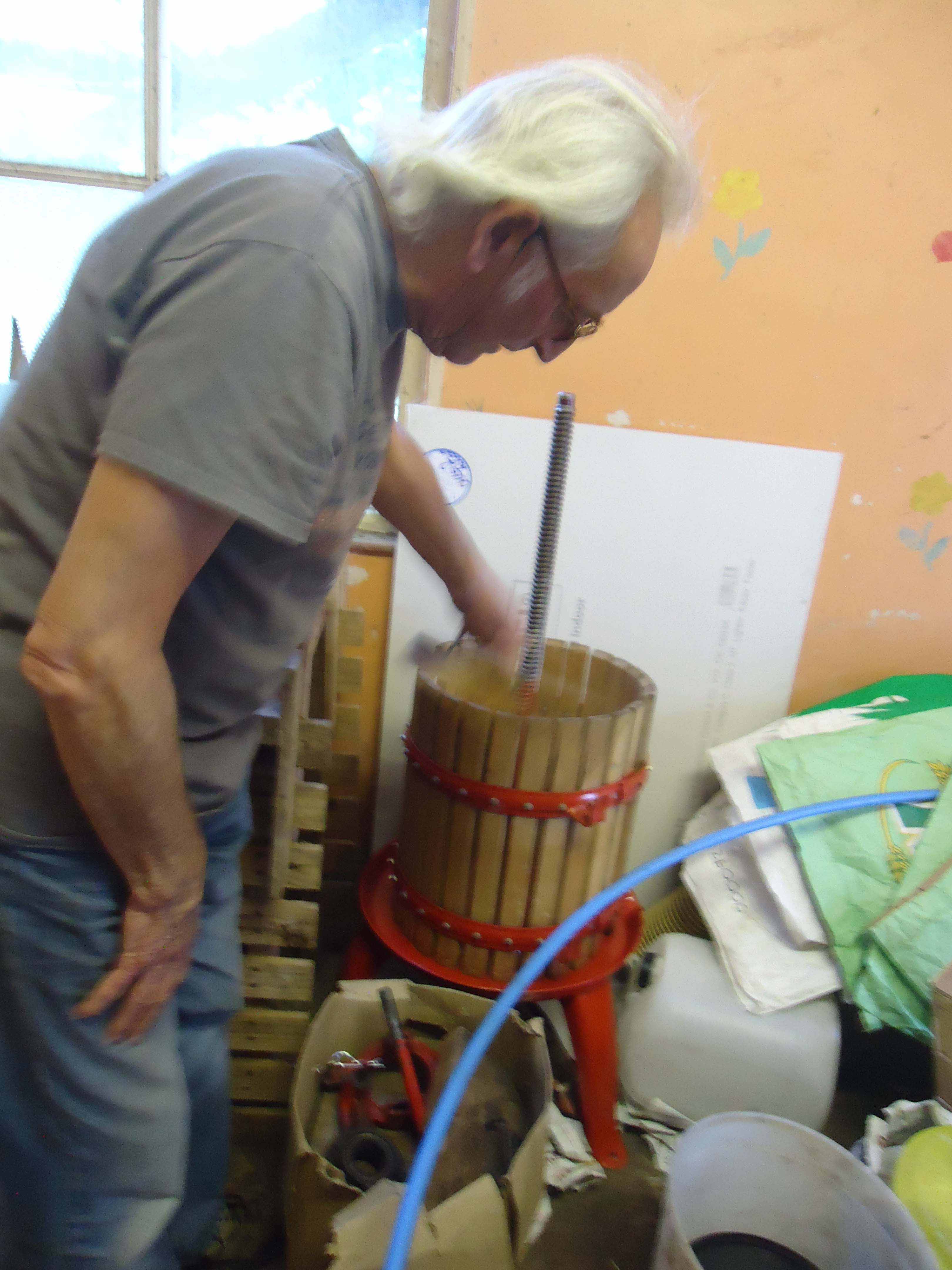
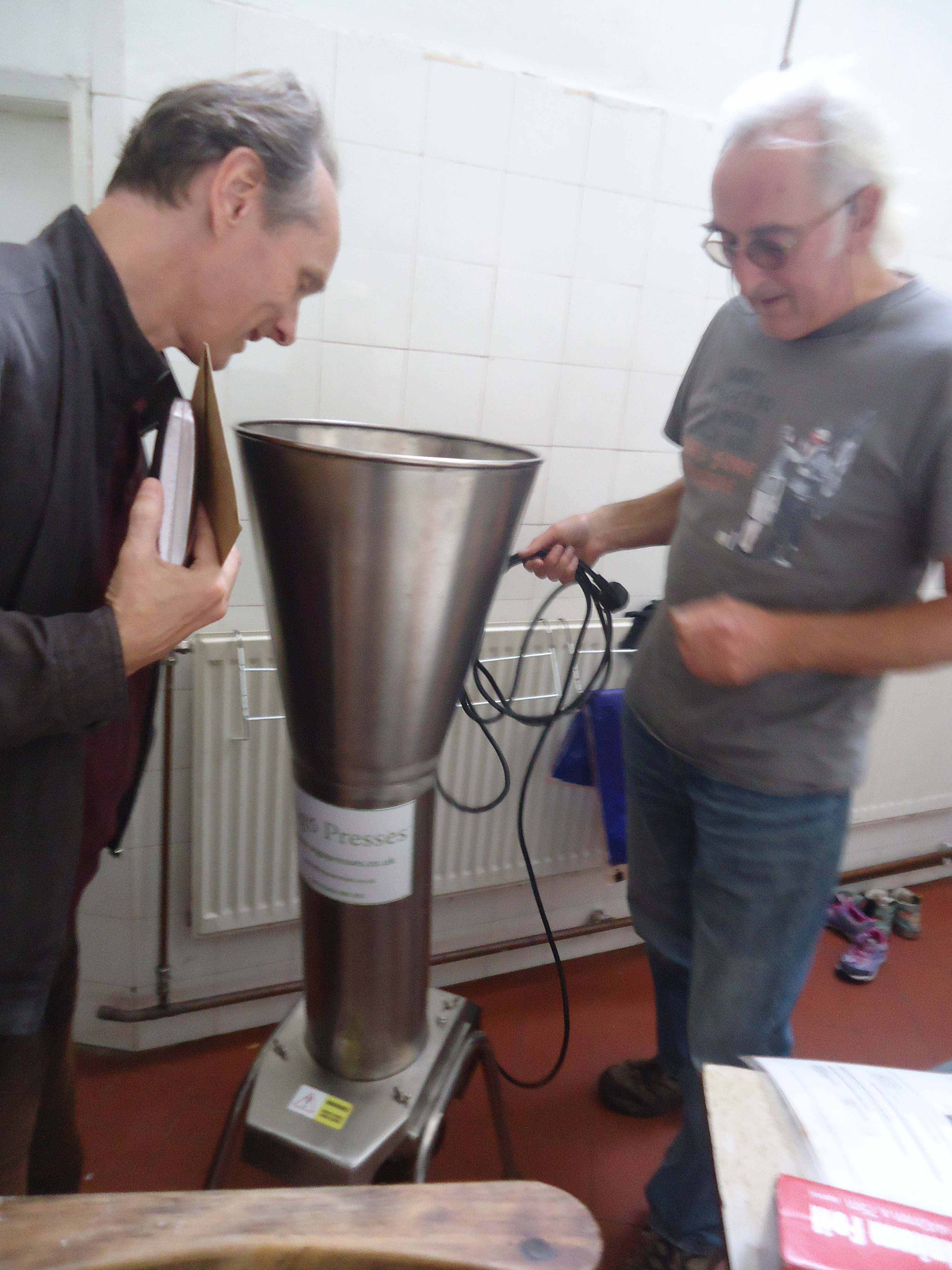
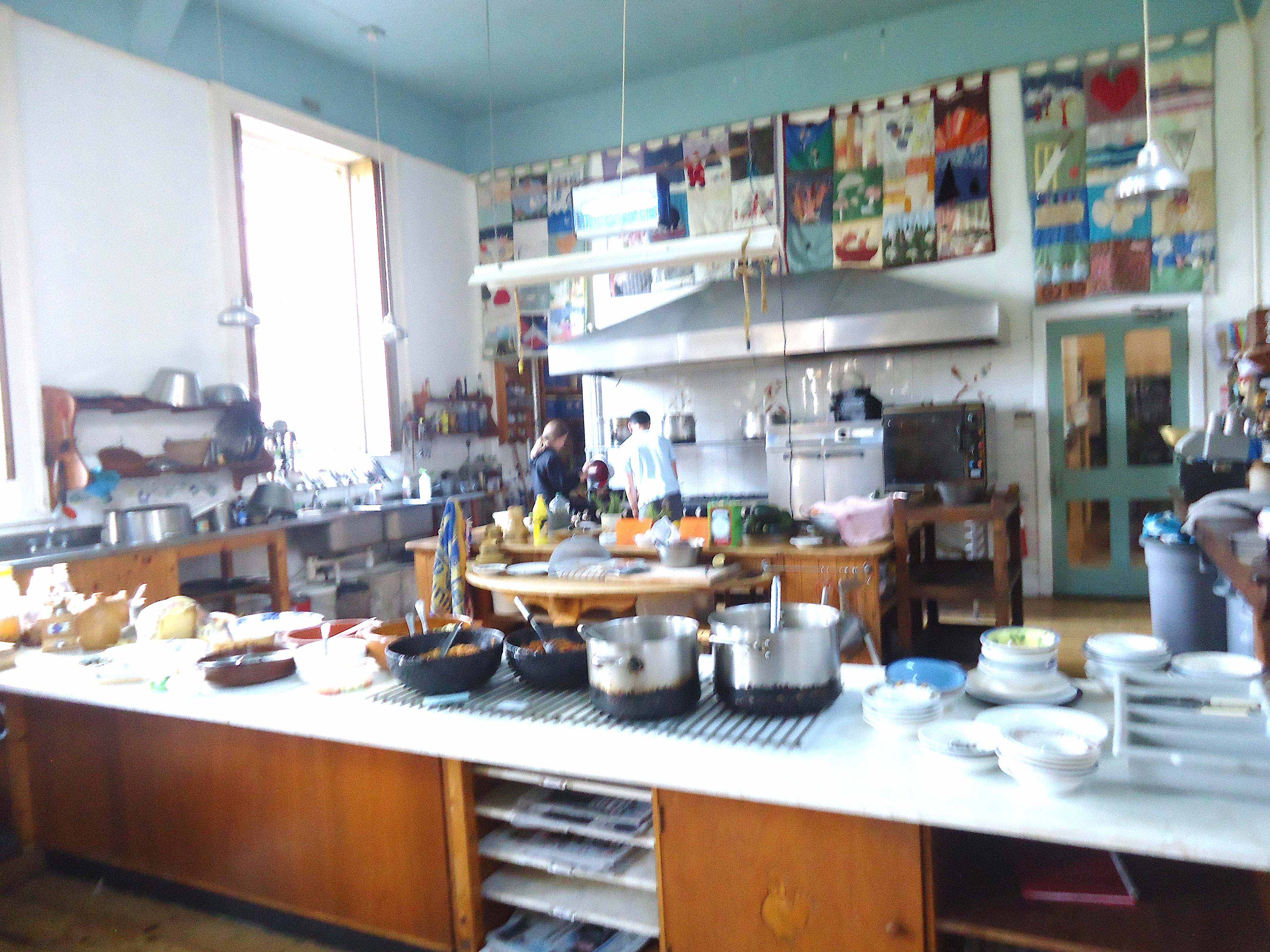
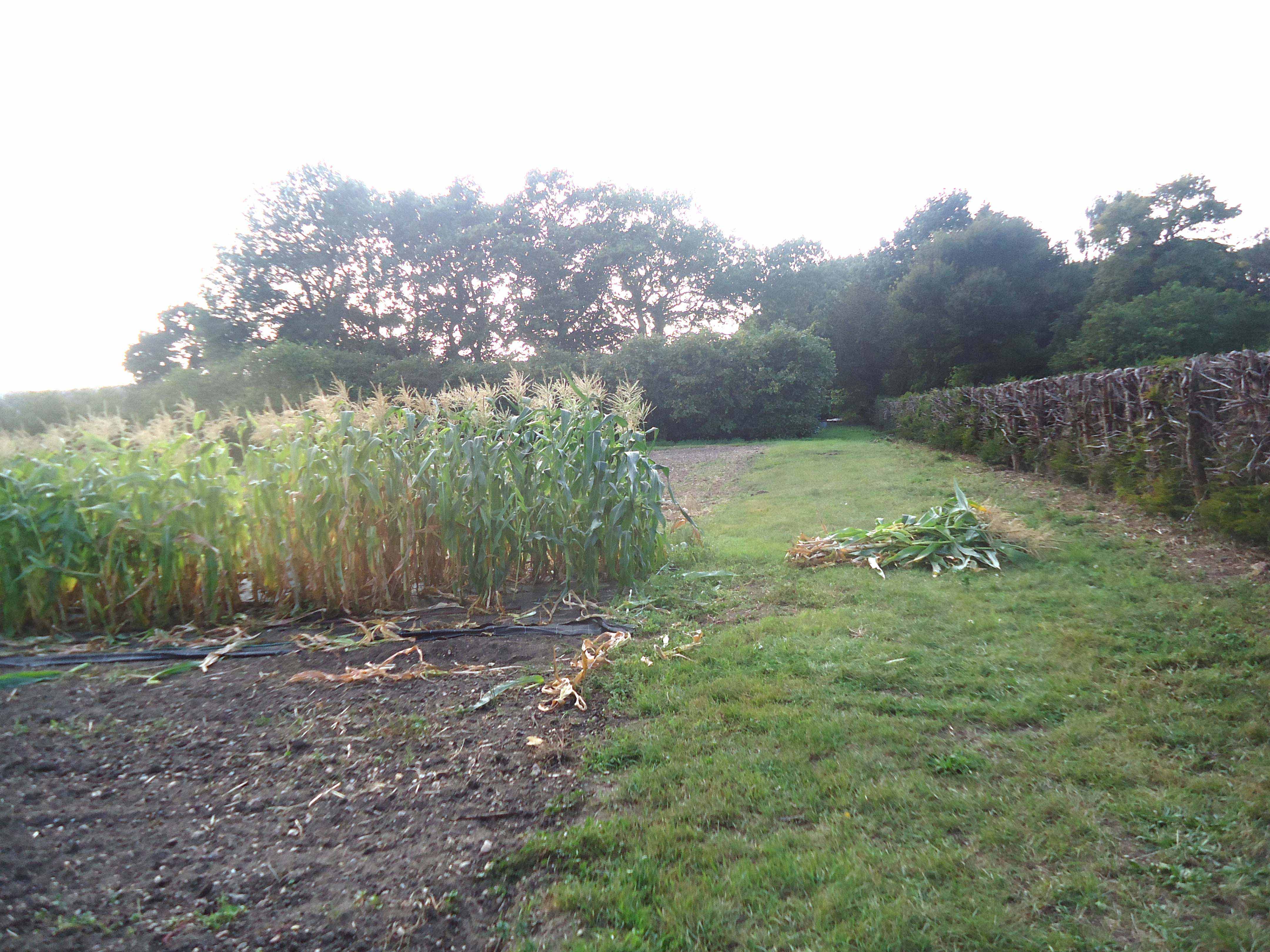
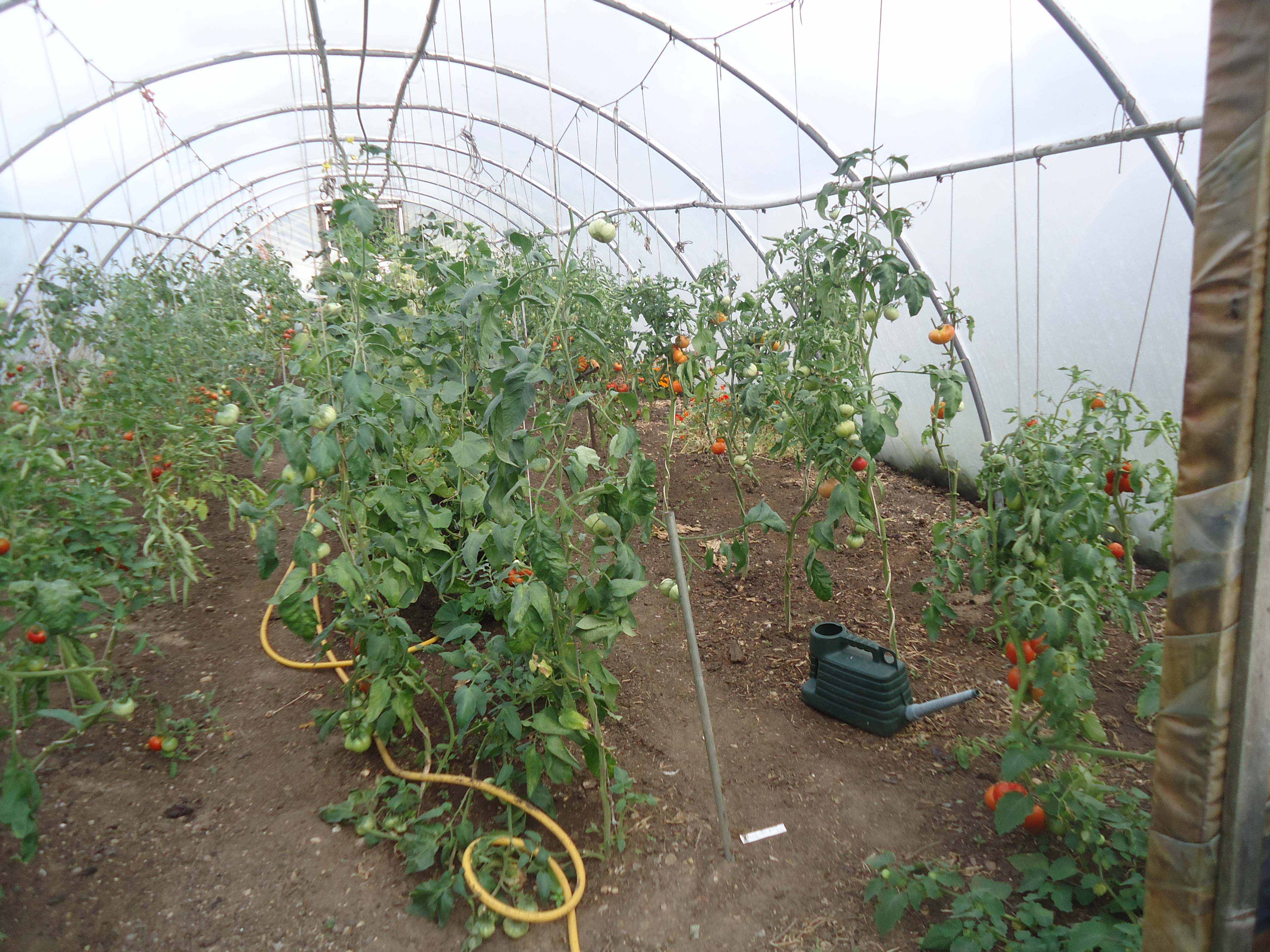
Our water comes from our own borehole with mains water back up. Most meals are eaten together in our big communal kitchen/dining room, using our own meat, vegetables, pulses and fruit. Meals are prepared under our rota job system by whomever signs up to cook. The more vegetarians who decide to cook the more meals will become vegetarian. The more meat eaters sign up the more meat will be consumed. The range of food is varied and excellent. Special dietary needs are catered for whenever possible. To make all this happen we each try to do around 15 hours community work a week, jobs include our domestic rota jobs and the mundane and the skilled - and all are valuable! Community work includes milking, cheese making, construction projects, caring for the farm machinery and our animals, growing food, cooking, cleaning, sewing, maintaining the buildings, the orchards and the grounds - and so much more! Because of this communal commitment, members find that they need only work about three days a week outside the community to bring in enough money to pay the bills. We all help and support each other.
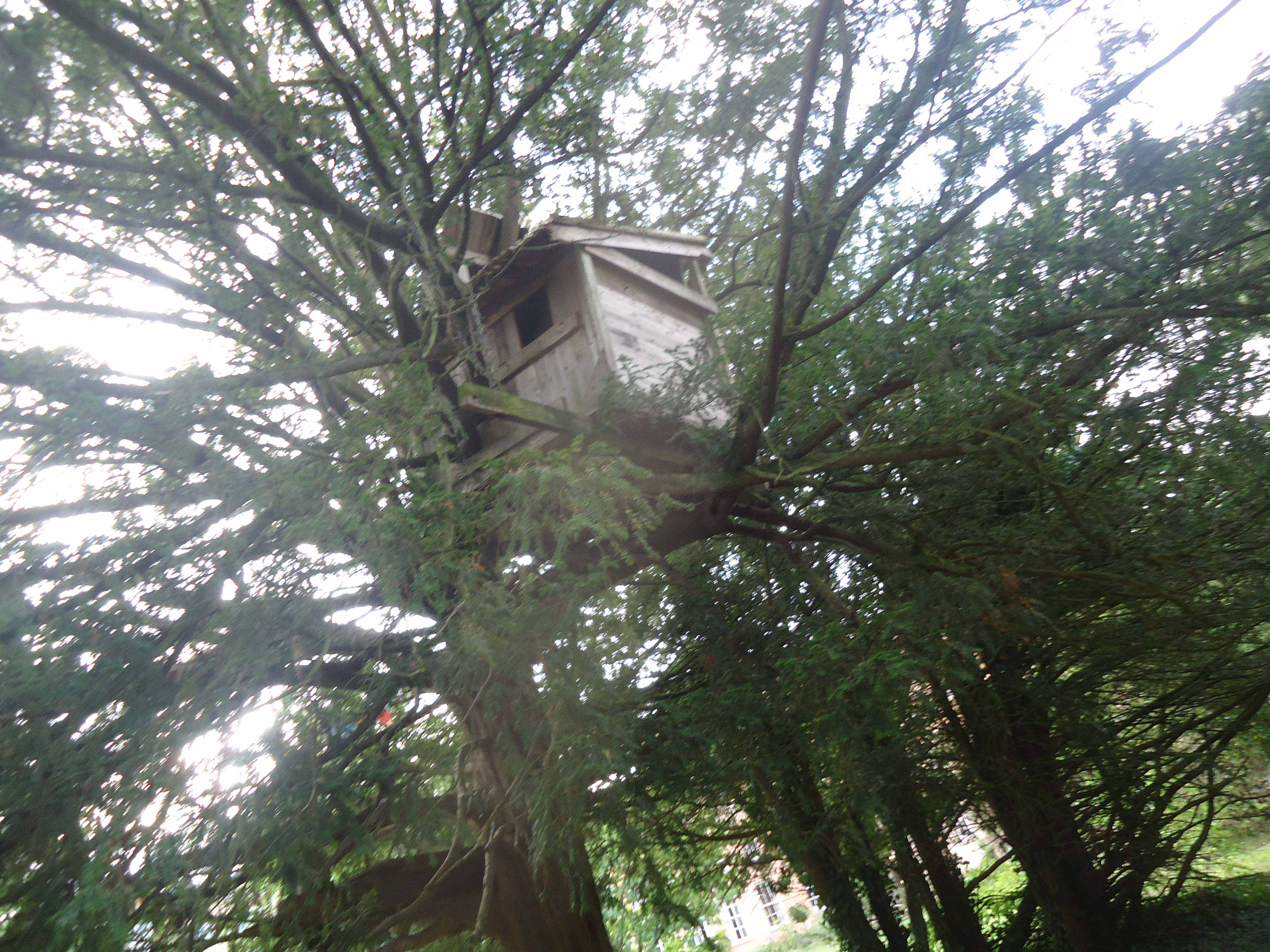
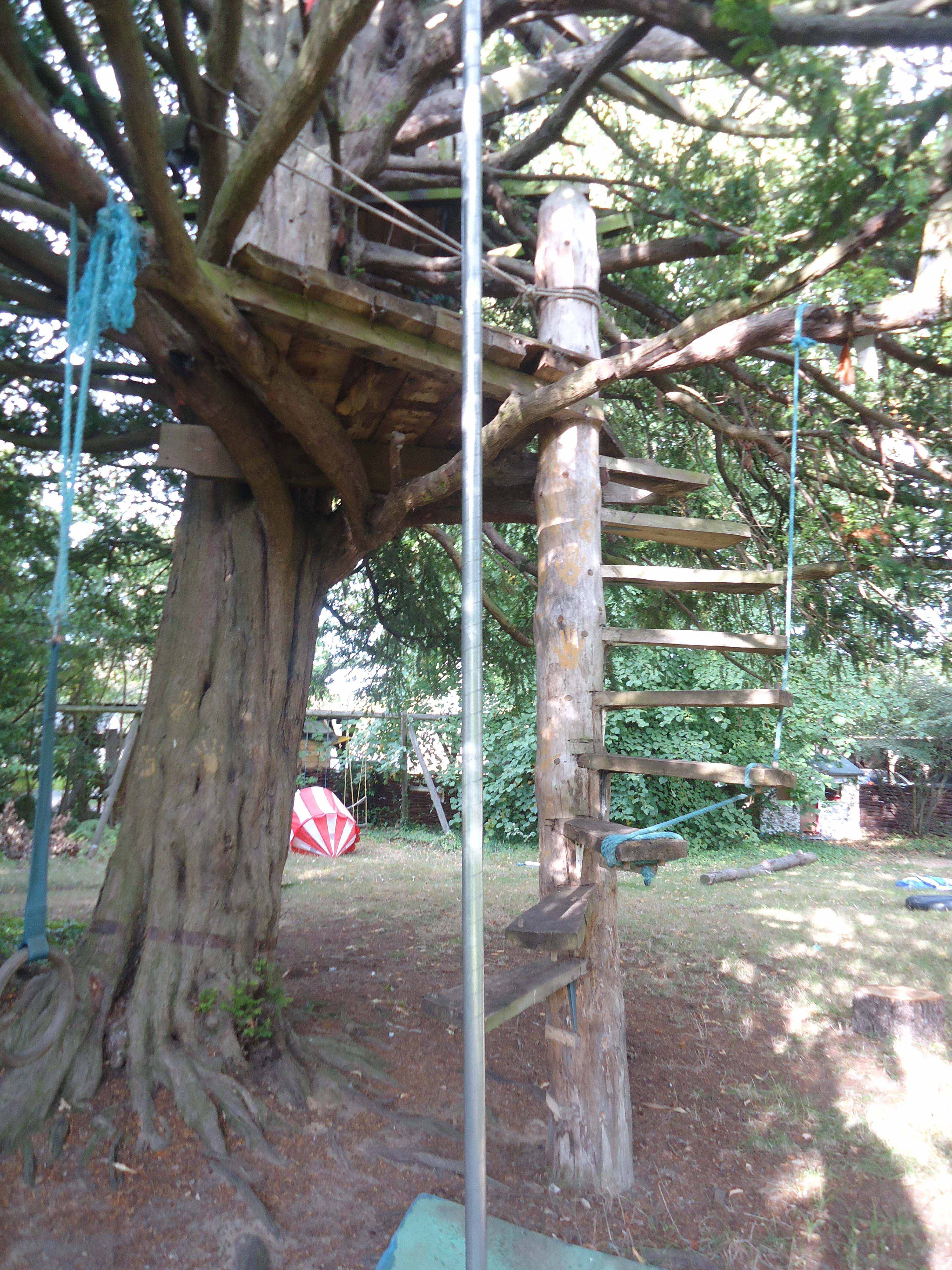
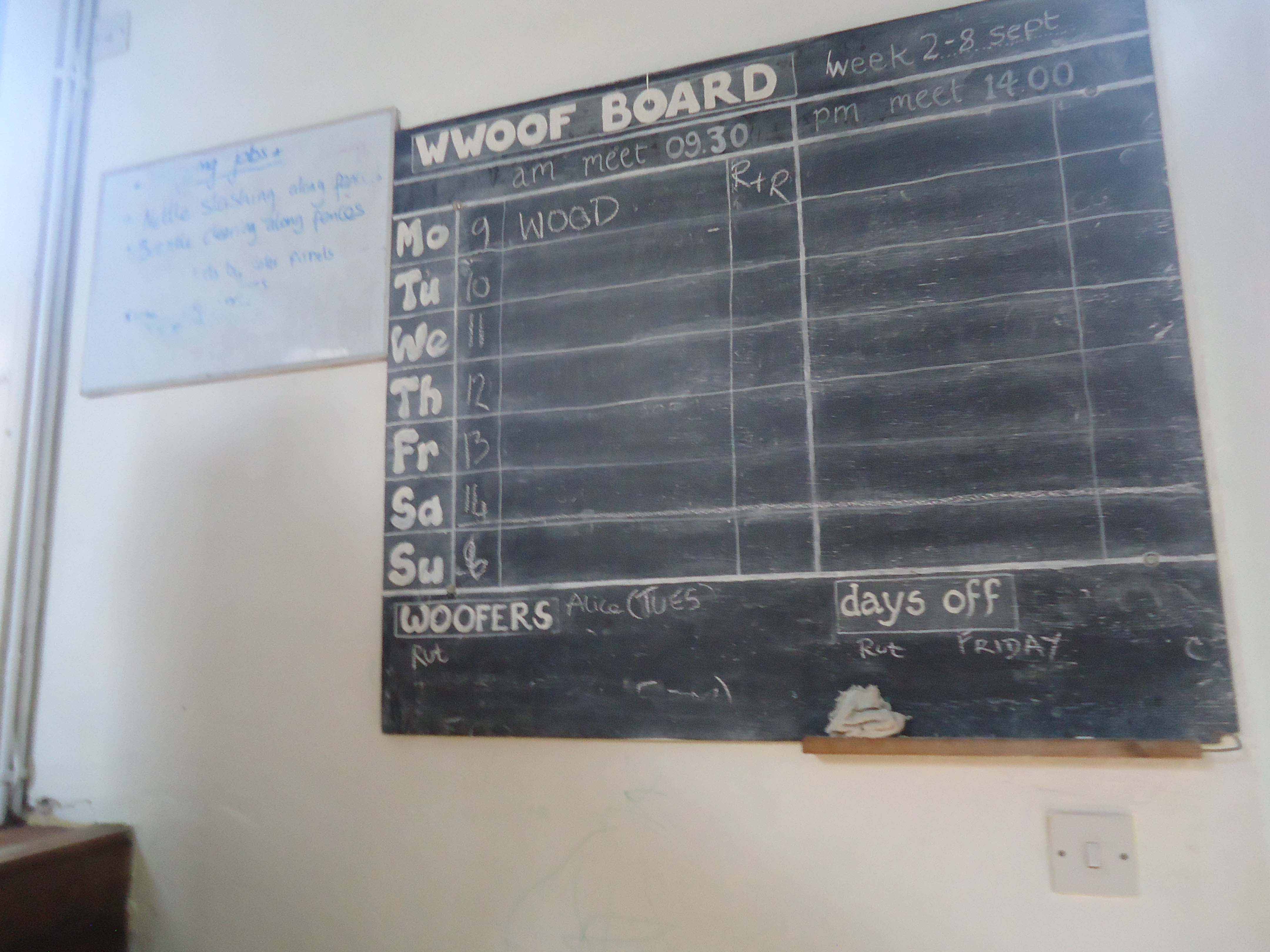
In the summer months we enjoy help from woofers from all over the world who turn up for two weeks at a time. We can host up to six woofers who work alongside the members who provide guidance on whatever outdoor tasks are at hand. We also host and organise our own social events that range from, home cinema, play readings, panto, maypole dancing, games, music events and so on.!! The children and young people here have a great life climbing trees, cycling, playing ball-games, baking bread, some like gardening! Budding musicians get together in the music room. Children in the main, walk or cycle to local schools. We have a lot of older members and we are not taking older people now. Most people have part-time paid employment outside the community. There are also several members of retirement age. Regardless of job commitment, members are expected to put in a share towards the running of the farm for the community – an estimate is a minimum of 12-15 hours of work a week. Domestic work – cooking, bread-making, cleaning, washing up, etc – is done via a rota system and forms part of the 12-15 hours commitment. Secondary school children are expected to do one rota job a week, adults three. Although some work is done communally – such as the potato harvest – people usually take on individual responsibilities of their own choice. A certain amount of commitment, drive and stamina is necessary for happy co-existence.